Can Fruit Juice Cause Tooth Decay in Children?


Yes, fruit juice can increase a child’s risk of tooth decay. Even 100% fruit juice contains sugar, and many juices are also acidic. When children drink juice frequently, the sugars and acids stay in contact with their teeth and can weaken enamel over time.
That does not mean your child can never have juice. The bigger issue is how much they drink, how often they drink it, and how long they spend sipping it.
Why Can Fruit Juice Lead to Cavities?
Your child’s mouth naturally contains bacteria. When these bacteria come into contact with sugar from juice, they produce acids.
Those acids attack tooth enamel, which is the hard outer layer that protects each tooth. After an occasional exposure, saliva helps the mouth return to a healthier balance. But if your child keeps sipping juice throughout the day, the teeth face repeated acid attacks.
Over time, this can make cavities more likely.
There is another concern, too. Many fruit juices are acidic on their own. Frequent exposure can wear away enamel, even when the juice does not contain added sugar.
Is 100% Fruit Juice Better for Teeth?
100% fruit juice can be a better nutritional choice than a sugary fruit drink, but it can still affect your child’s teeth.
The phrase “100% juice” means that no added sugar is included. It does not mean the drink is sugar-free. Natural sugars are still present.
For example, apple juice and orange juice contain naturally occurring sugars. Once your child drinks them, those sugars are available to bacteria in the mouth.
So, switching from a fruit drink to 100% juice may reduce added sugar, but it does not make unlimited juice a good choice for your child’s teeth.
How Much Juice Is Too Much?
The American Academy of Pediatrics recommends limiting juice based on a child’s age.
Children younger than 12 months generally should not have juice unless their pediatrician recommends it.
For children between 1 and 3 years old, the daily limit is up to 4 ounces.
Children ages 4 to 6 should have no more than 4 to 6 ounces per day.
For children ages 7 to 18, the recommended limit is up to 8 ounces per day.
These amounts are daily limits, not targets. Your child does not need juice every day to get the nutrients found in fruit.
Is Sipping Juice All Day Bad for Teeth?
Yes. This is one of the habits parents should pay close attention to.
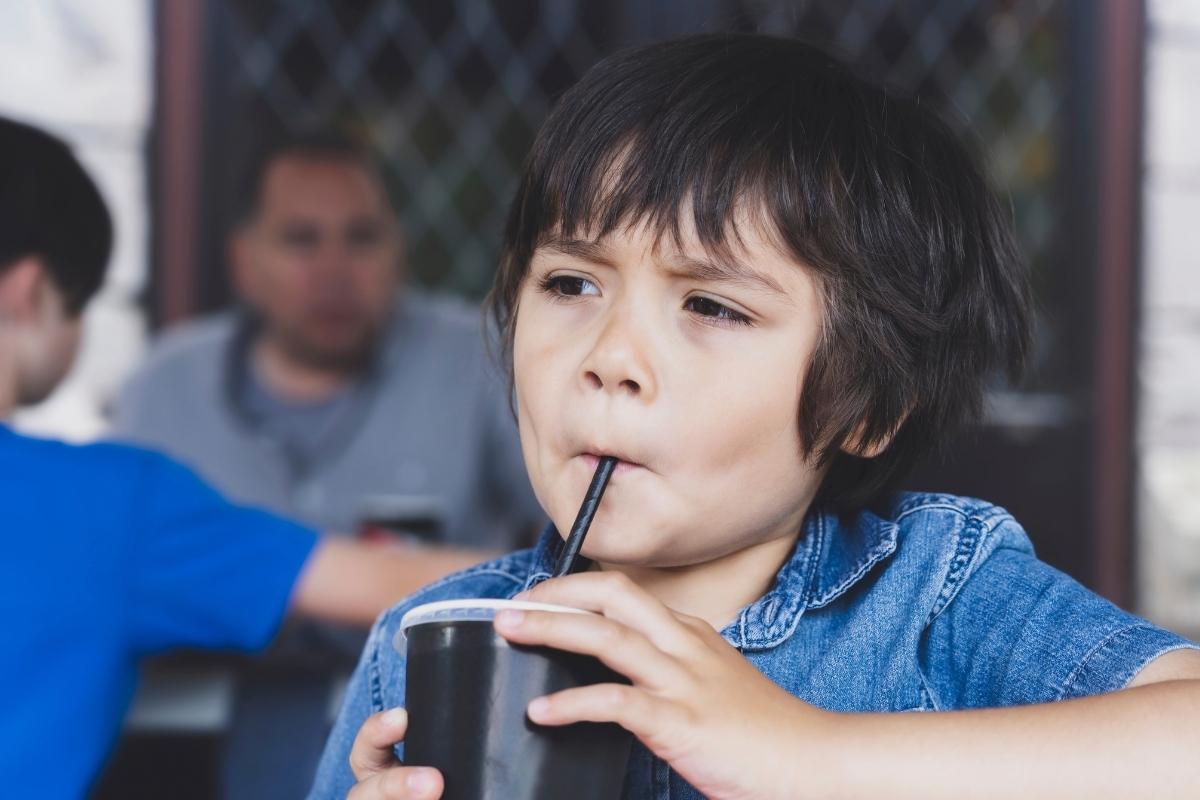
Imagine your child fills a cup with juice in the morning and takes small sips from it throughout the day. Their teeth keep getting exposed to sugar and acid over and over.
Even if the total amount of juice is not very large, the repeated exposure can make a difference.
Try serving juice at mealtimes instead. Once your child finishes the juice, offer water afterward.
And avoid putting juice in a bottle or sippy cup that your child can carry around for hours.
When Is the Best Time to Give Your Child Juice?
Mealtimes are generally a better time for juice than snack time.
Children produce more saliva while eating, which helps wash away food and neutralize acids. Drinking juice with a meal also limits the amount of time your child’s teeth are exposed to it.
Between meals, choose water whenever possible.
This simple switch can reduce the number of times your child’s teeth come into contact with sugar and acid during the day.
Does Diluting Juice Make It Better?
Diluting juice with water can reduce the concentration of sugar and acid, but it does not remove them completely.
If you dilute juice, keep the serving size reasonable and avoid allowing your child to sip it continuously.
Plain water remains the best choice for regular hydration.
If your child wants something sweet, consider offering whole fruit instead. Whole fruit contains fiber and takes longer to eat, which makes it different from drinking fruit juice.
Can Fruit Juice Damage Tooth Enamel?
It can.
Cavities happen when acids produced by mouth bacteria damage the tooth over time. Enamel erosion is different. It occurs when acids directly wear away the tooth surface.
Fruit juice can contribute to both problems because it can contain sugar and naturally occurring acids.
With repeated exposure, enamel may become thinner or weaker. Some children may eventually notice increased tooth sensitivity or changes in how their teeth look.
Reducing frequent exposure to acidic drinks can help protect enamel.
What Should Your Child Drink After Juice?
Water is the easiest answer.
Having your child drink water after juice can help rinse away some of the remaining sugar and acids. It is especially helpful if they cannot brush their teeth right away.
However, water does not replace regular brushing.
Children should brush twice a day with fluoride toothpaste. Younger children may need help from a parent to make sure all tooth surfaces get cleaned properly.
Regular dental visits are also important. A dental professional can spot early changes before they turn into larger problems.
What Are Better Alternatives to Juice?
You do not need to make your child’s diet completely juice-free to protect their teeth.
Instead, make water the main drink throughout the day.
Depending on your child’s age and dietary needs, milk can also be a nutritious choice. When offering fruit, choose whole options such as:
• Apples
• Pears
• Berries
• Oranges
• Bananas
Whole fruit provides fiber and requires chewing, making it a better everyday choice than drinking the equivalent fruit as juice.
How Can You Tell If Your Child Has a Cavity?
Tooth decay does not always cause pain at first. Keep an eye out for changes such as:
• White spots on the teeth
• Brown or dark areas
• Small holes or pits
• Tooth sensitivity
• Pain while eating or drinking
• Avoiding certain foods
• Swelling around a tooth
• Persistent bad breath
If you notice any of these signs, do not wait for your child to develop severe pain. A dental examination can determine what is causing the problem and whether treatment is needed.
Simple Ways to Protect Your Child’s Teeth
You do not have to ban every sweet food or drink from your child’s diet.
Instead, focus on the habits that matter most.
Keep juice portions small. Serve it with meals rather than throughout the day. Encourage your child to drink water between meals. Choose whole fruit more often than juice, and make brushing twice a day part of the daily routine.
These habits may seem small, but they can help reduce repeated exposure to sugar and acid and support healthier teeth as your child grows.
When Your Child Needs a Dental Checkup
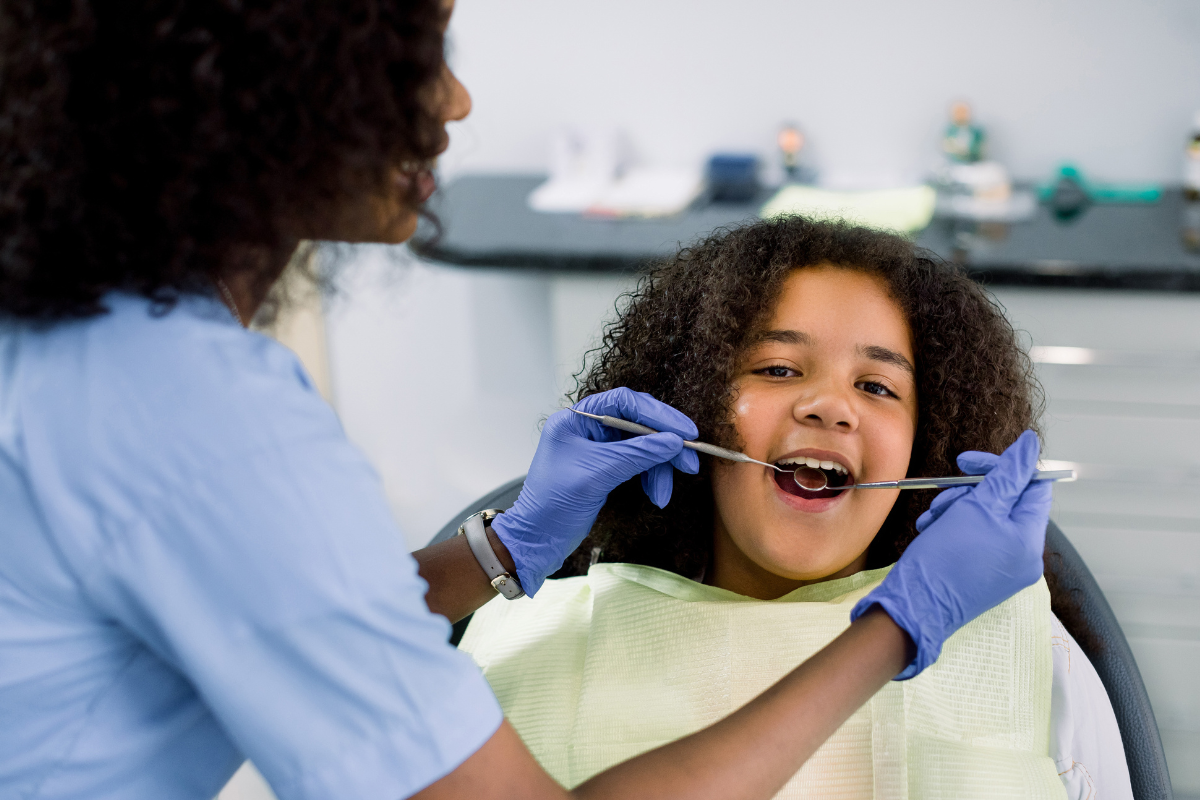
If your child has tooth sensitivity, visible spots, tooth pain, or you are simply unsure whether their juice and eating habits could affect their teeth, a dental checkup can help. Early visits make it easier to catch small problems before they become more serious.
Visit our dental clinic, Pittsford Orthodontics & Pediatric Dentistry, for your child’s dental checkup or to address any concerns about their teeth. Our team is here to help families in Pittsford keep children’s smiles healthy as they grow.
Frequently Asked Questions :
1. Can children drink fruit juice every day?
Children do not need juice every day. If you choose to give your child juice, keep the amount limited and serve it with a meal rather than allowing them to sip it throughout the day.
2. Is 100% fruit juice safe for children’s teeth?
100% fruit juice does not contain added sugar, but it still contains natural sugar and may be acidic. Frequent consumption can increase the risk of tooth decay and enamel erosion.
3. Is apple juice bad for children’s teeth?
Apple juice contains natural sugar and is acidic. Drinking it frequently or sipping it throughout the day can increase the risk of dental problems.
4. Is water better than juice for children?
Yes. Water is the best everyday drink for children’s teeth because it contains no sugar and does not expose teeth to the acids found in juice.
5. Should my child rinse their mouth after drinking juice?
Yes. Having your child drink or rinse with water after juice can help clear some of the sugar and acids from the mouth. If the drink is acidic, wait before brushing rather than brushing immediately.