Why Does Your Child Have Bad Breath?


Most of the time, your child’s bad breath comes down to one simple culprit: bacteria breaking down leftover food particles and dead cells in the mouth. That sulfur-smelling byproduct is what you’re noticing when your little one leans in for a goodnight kiss. In most cases, it is nothing serious and clears up with better daily habits. But sometimes it is your child’s body waving a small flag that something else needs attention, like a sinus issue, dry mouth, or a cavity forming out of sight.
This guide walks through what actually causes smelly breath in children, when it is nothing to worry about, and when it is worth a closer look.
What Causes Bad Breath in Kids?
The mouth is home to hundreds of types of bacteria, and they thrive on leftover food. When your child skips brushing, tiny bits of food sit on the teeth, tongue, and gums, and bacteria feed on them. As they break down that debris, they release sulfur compounds, which produce that stale, unpleasant odor.
A few other common causes show up again and again in kids:
Mouth breathing and dry mouth. Saliva naturally rinses away bacteria and food particles all day long. When a child breathes through their mouth, especially overnight, saliva dries up faster, and bacteria multiply. This is one of the most common reasons parents notice morning breath that lingers well past breakfast.
Enlarged tonsils or adenoids. Food particles and mucus can get trapped in the small pockets of the tonsils, creating an odor that brushing alone will not fix.
Sinus congestion or allergies. Postnasal drip coats the back of the throat and tongue with mucus, which bacteria happily break down.
Tongue coating. Kids often forget the tongue holds just as much bacteria as the teeth. A white or yellowish film on the tongue is frequently the real source of the smell.
Something stuck in the nose. This one surprises parents, but young children sometimes push a small object like a bead or piece of food up their nostril, and it can cause a strong, one-sided odor that seems to come from the mouth.
Tooth decay or gum irritation. Cavities create small pockets where bacteria collect, and early gum inflammation can also produce a noticeable smell.
Is Occasional Bad Breath Normal in Children?
Yes, and parents can relax about the occasional whiff. Morning breath is universal and happens because saliva production slows down during sleep. Breath that smells a bit off after a garlic-heavy dinner or a day of mouth breathing during a cold is also completely typical.
What is not typical is breath that stays unpleasant throughout the day, every day, even after brushing. That pattern usually points to something ongoing rather than a passing, everyday cause.
When Bad Breath Signals a Bigger Problem
Keep an eye out for these signs, since they suggest the odor is coming from something beyond normal bacteria buildup:
- The smell persists even right after brushing and flossing
- Breath odor is paired with a sore throat, ear pain, or frequent congestion
- You notice white or yellow spots or bumps on the tonsils
- The odor is strong and comes from one nostril only
- Your child complains of a bad taste in their mouth or dry mouth throughout the day
- There is visible discoloration or a hole in a tooth
Any of these deserve a proper look rather than more mouthwash.
Simple Habits That Keep Your Child’s Breath Fresh
Good news: most bad breath cases in kids respond well to small, consistent changes at home.
Brush twice a day, for two full minutes. Set a timer or play a two-minute song so your child does not rush through it. Brushing the tongue matters just as much as brushing the teeth.
Introduce flossing early. Food particles hiding between teeth are a major source of odor that brushing alone cannot reach.
Keep your child hydrated. Water helps saliva do its job of washing away bacteria naturally throughout the day.
Treat allergies and congestion. If mouth breathing is the root cause, managing the underlying allergy or cold symptoms often clears up the breath issue on its own.
Limit sugary snacks and drinks. Sugar feeds the exact bacteria responsible for that odor, so cutting back naturally reduces the problem.
Schedule regular dental cleanings. Even with great habits at home, plaque builds up in spots a toothbrush cannot fully reach.
When to See a Pediatric Dentist
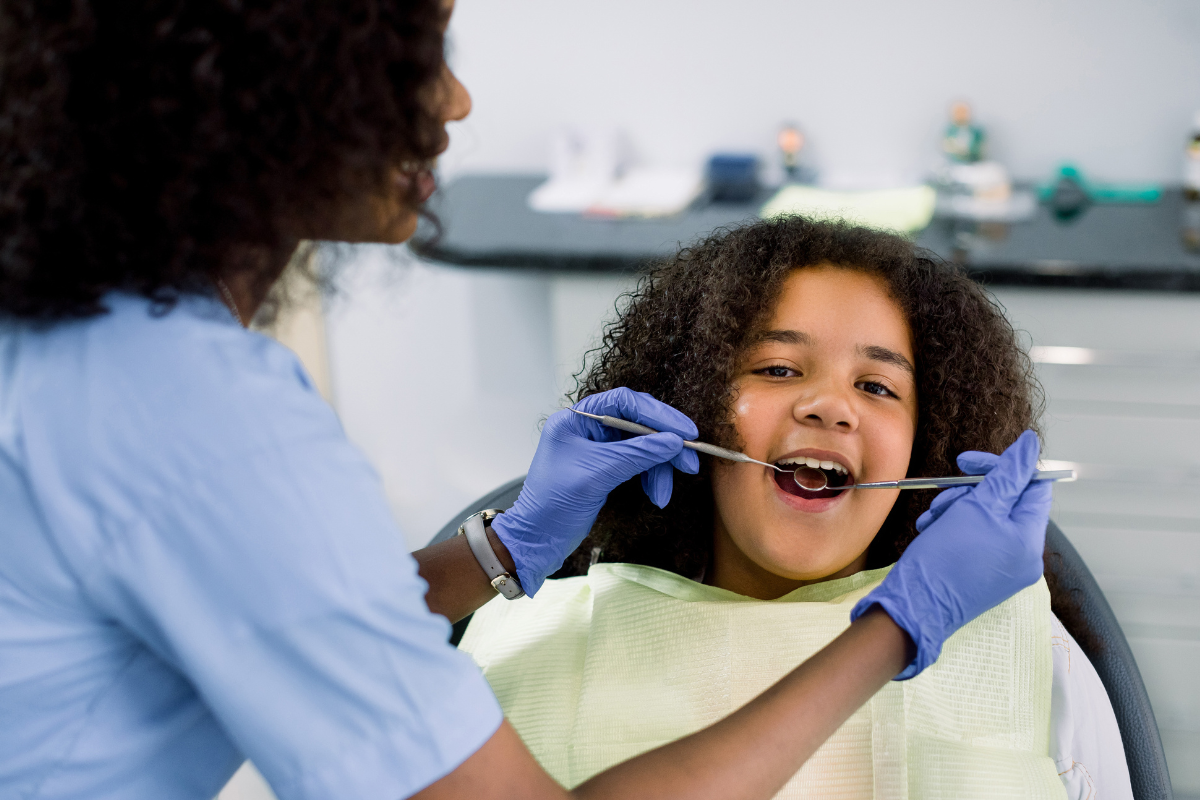
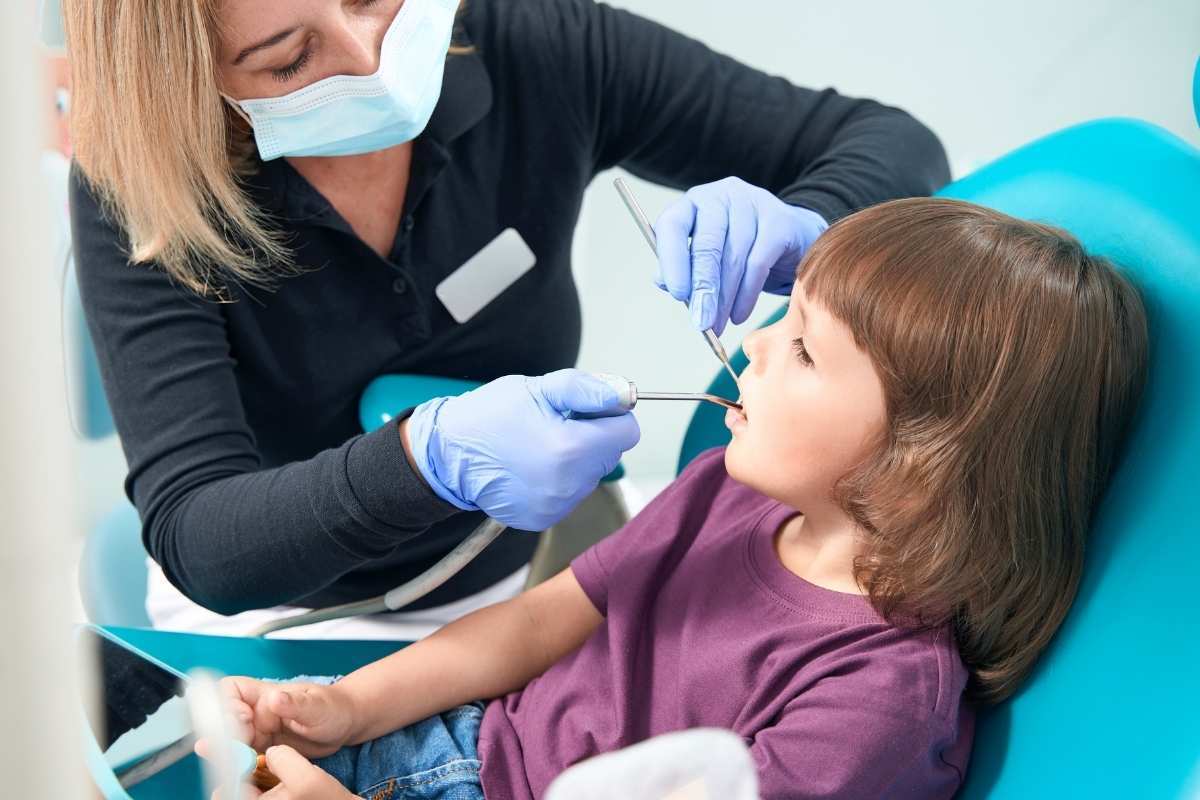
If bad breath sticks around for more than a week or two despite consistent brushing and flossing, it is time to bring in a professional rather than guessing. A dentist can check for cavities, gum irritation, or dry mouth issues that are not obvious to a parent at home. If the odor seems tied to congestion, snoring, or enlarged tonsils, your child’s pediatrician is also worth a visit alongside the dental checkup.
Persistent bad breath in a child is rarely something to panic about, but it is always worth investigating rather than masking with mints or mouthwash.
Let’s Get to the Bottom of That Breath
A quick checkup can tell you exactly what is behind your child’s breath, whether it is a simple habit fix or something that needs treatment. Our team at Pittsford Orthodontics & Pediatric Dentistry works with kids every day and knows how to make dental visits easy, even for the nervous ones. Visit our dental clinic in Pittsford, and let’s get your child smiling (and breathing) with confidence again.