Can a Cavity in a Baby Tooth Heal on Its Own? What Parents Should Know

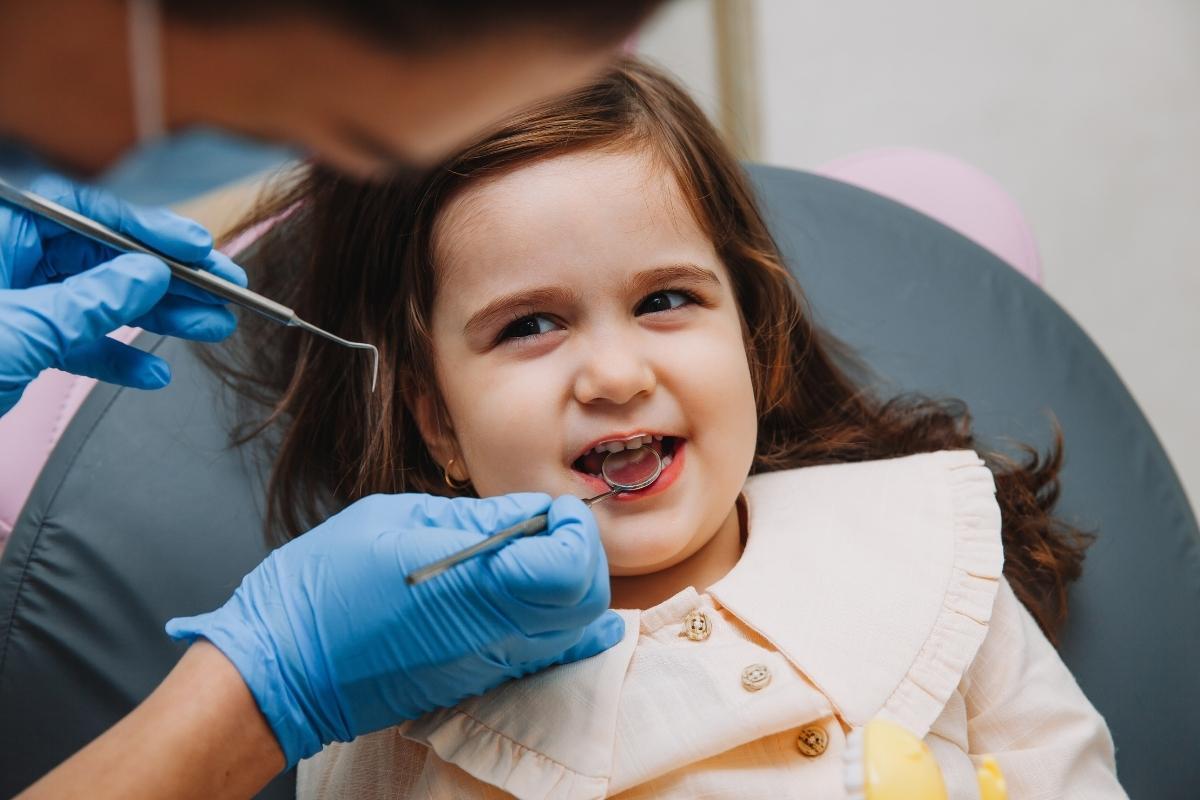
No, a true cavity in a baby tooth will not heal on its own. Once tooth decay creates an actual hole in the tooth, the damaged enamel cannot grow back. However, very early tooth damage may sometimes be reversed before a cavity develops. That is why noticing changes early and scheduling regular dental visits can make a real difference in your child’s oral health.
Parents sometimes wonder whether they need to treat decay in a baby tooth if the tooth will eventually fall out. The answer is yes. Baby teeth help children chew, speak clearly, maintain space for permanent teeth, and develop healthy oral habits. Leaving decay untreated can lead to pain, infection, difficulty eating, and problems with the developing adult teeth.
Can Early Tooth Decay Be Reversed?
Tooth decay does not always begin with a visible hole. It can start when acids produced by bacteria in plaque remove minerals from the enamel. At this stage, a dentist may notice a white or chalky spot on the tooth.
Early enamel damage may be stopped or reversed when your child gets enough fluoride, maintains good brushing habits, and reduces frequent exposure to sugary foods and drinks. Saliva also helps restore minerals to the enamel.
Once bacteria have created a cavity that breaks through the enamel, however, the tooth cannot repair that damage by itself. Your child may need professional treatment to stop the decay from getting worse.
Why Baby Teeth Still Need Treatment
It is easy to think of baby teeth as temporary, but they serve important purposes while your child grows.
Healthy baby teeth help your child:
• Chew food comfortably
• Learn to pronounce sounds correctly
• Maintain space for permanent teeth
• Support normal jaw development
• Build good brushing and dental care habits
When decay becomes extensive, a child may experience tooth sensitivity or pain. An untreated cavity can also progress deeper into the tooth and eventually cause an infection.
Even when a baby tooth is expected to fall out soon, a dentist should determine whether treatment is necessary. The timing of natural tooth loss, the extent of decay, and the condition of the permanent tooth underneath all matter.
What Can Parents Do at Home?
Good daily habits can help prevent early enamel damage from progressing.
Brush Twice a Day
Help your child brush twice each day with fluoride toothpaste. Young children often need an adult to brush their teeth or supervise brushing because they may not yet have the coordination to clean every surface properly.
Pay Attention to Sugary Drinks
Frequent exposure to sugar gives cavity-causing bacteria more opportunities to produce acids. Water is a better everyday drink than juice, soda, or other sweetened beverages.
Try to avoid letting your child continuously sip sugary drinks throughout the day. The frequency of exposure matters because the teeth need time between meals and drinks to recover.
Limit Sticky and Sugary Snacks
Candy, cookies, sweetened cereals, and other sugary foods can contribute to tooth decay, especially when children snack on them frequently. Choose nutritious snacks and encourage your child to drink water afterward.
Keep Regular Dental Appointments
A dentist can identify early enamel changes before they become larger problems. Regular visits also allow the dental team to monitor your child’s teeth as they develop and provide personalized advice based on their age and oral health needs.
If you are concerned about a spot, sensitivity, or possible decay, speaking with a pediatric oral health specialist can help you understand whether your child needs treatment or simply closer monitoring.
What Does a Dentist Do for a Baby Tooth Cavity?
Treatment depends on how far the decay has progressed.
For very early enamel changes, a dentist may recommend fluoride treatment and improved brushing and dietary habits. These measures can help strengthen the tooth and prevent further damage.
If a cavity has already formed, the dentist may recommend restoring the damaged tooth. More advanced decay may require additional treatment to remove infection and preserve the tooth until it is naturally ready to come out.
Your child’s age, symptoms, tooth development, and the location and severity of the decay all influence the treatment recommendation.
Signs Your Child May Have a Cavity
Children do not always tell parents when something is wrong with their teeth. Watch for signs such as:
• White, brown, or dark spots on the teeth
• A visible hole or rough area
• Tooth sensitivity
• Pain while eating or drinking
• Avoiding certain foods
• Chewing on one side of the mouth
• Swollen gums near a tooth
• Bad breath that does not improve with regular brushing
• Trouble sleeping because of dental discomfort
A child who develops facial swelling, significant pain, fever, or swelling around the gums needs prompt dental attention.
Can Fluoride Prevent a Baby Tooth Cavity?
Fluoride helps strengthen enamel and makes teeth more resistant to acid attacks. It can also help reverse very early mineral loss before a true cavity forms.
The right amount depends on your child’s age and individual needs. Use fluoride toothpaste as recommended by your child’s dentist, and avoid allowing your child to swallow large amounts of toothpaste.
Do Baby Teeth Ever Need Fillings?
Yes. If a baby tooth has a cavity that cannot be managed with preventive care alone, a filling may be recommended. Treating the tooth can protect it from further damage and help your child continue eating and speaking comfortably.
The dentist will consider how much of the tooth has been affected and how long the tooth is expected to remain in the mouth before recommending treatment.
What Parents Should Remember
A cavity in a baby tooth will not disappear or grow back naturally. Early mineral loss can sometimes be reversed, but once decay creates a hole, professional care is usually necessary.
The best approach is to catch tooth decay early. Daily brushing with fluoride toothpaste, sensible eating and drinking habits, and regular dental visits can help protect your child’s baby teeth and support healthy permanent teeth.
Give Your Child’s Smile the Care It Deserves
If your child has a suspected cavity, tooth pain, sensitivity, or a new spot on a baby tooth, do not wait for it to become painful. Visit our dental clinic. Pittsford Orthodontics & Pediatric Dentistry can evaluate your child’s teeth and recommend the right next step.
For families in Pittsford, early dental care can help address small problems before they become bigger ones.
Frequently Asked Questions :
1. Can a cavity in a baby tooth go away without treatment?
No. An established cavity cannot heal itself. Very early enamel demineralization may be reversed, but a hole caused by decay requires professional evaluation and treatment.
2. Should I worry about a cavity if the baby tooth will fall out soon?
You should still have the tooth evaluated. Untreated decay can cause pain or infection and may affect your child’s ability to eat comfortably. The dentist can determine whether treatment is necessary based on how soon the tooth is expected to fall out.
3. Can brushing reverse a cavity?
Brushing with fluoride toothpaste can help strengthen weakened enamel and prevent early decay from progressing. It cannot rebuild a tooth once a cavity has formed.
4. How can I tell if my child has a cavity?
Look for white, brown, or dark spots, visible holes, sensitivity, tooth pain, or changes in eating habits. Some cavities cause no obvious symptoms, which is one reason regular dental examinations are important.
5. Is fluoride safe for children?
Fluoride is an important tool for preventing tooth decay when used appropriately. Your child’s dentist can recommend the right amount of fluoride toothpaste and other fluoride treatments based on your child’s age and individual needs.