Holes in Baby Teeth: What Causes Them and What Parents Should Do

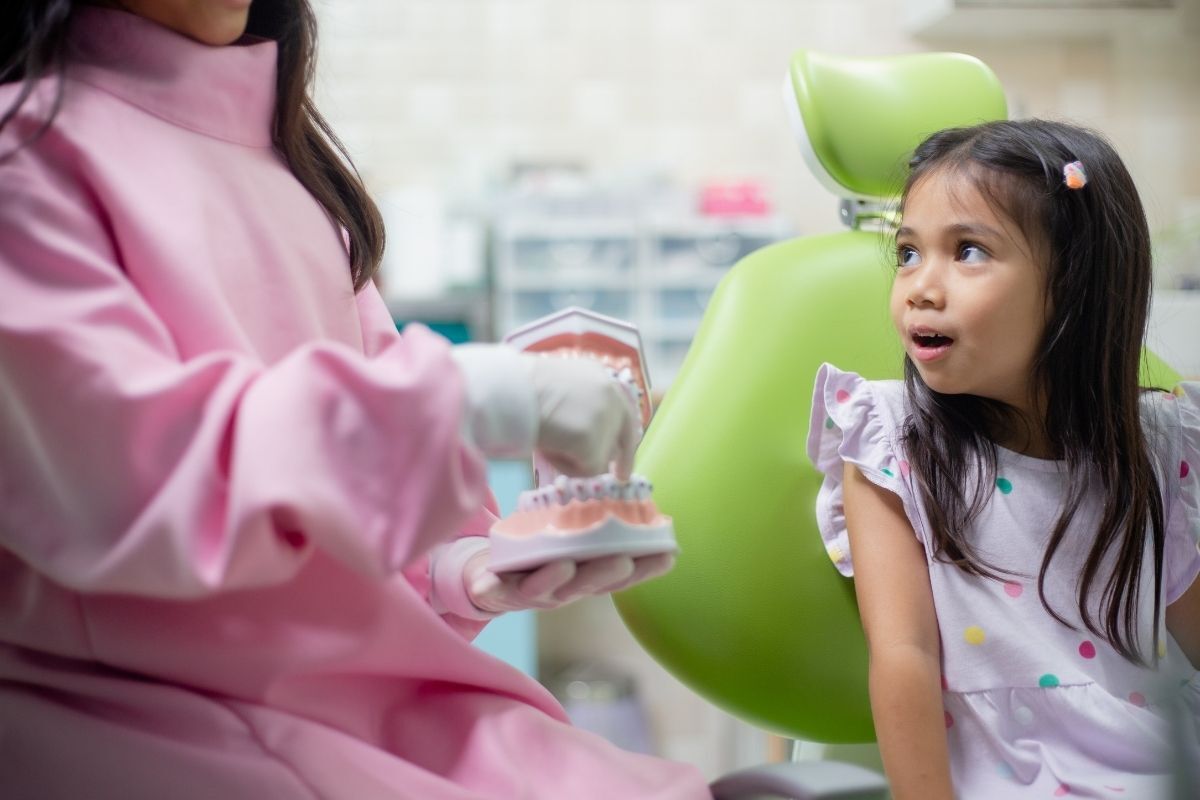
If you just spotted a small dark spot or an actual hole on your child’s tooth, here’s the short answer: it’s almost always tooth decay, and it needs attention now, not after the tooth falls out on its own. Baby teeth have thinner enamel than adult teeth, so cavities form faster and can spread deeper into the tooth in a shorter amount of time. The good news is that once you know what’s causing it, there’s a lot you can do to stop it from getting worse and to protect the adult teeth waiting underneath.
Why Baby Teeth Get Holes in the First Place
Parents often assume that since baby teeth are temporary, a little decay isn’t a big deal. That assumption is where most of the trouble starts. Here’s what’s actually happening.
Sugar and Bacteria Team Up
Every mouth has bacteria. When those bacteria come into contact with sugar from juice, snacks, milk, or even naturally occurring sugars in fruit, they produce acid. That acid sits on the tooth surface and slowly eats away at the enamel. Over time, this creates a soft spot, and eventually an actual hole.
Thin Enamel Makes Kids More Vulnerable
Adult enamel is noticeably thicker than the enamel on baby teeth. This means the acid produced by bacteria doesn’t need much time to break through. A cavity that might take a year to form in an adult tooth can develop in a fraction of that time in a child’s mouth.
Bottle Habits Matter More Than Most Parents Realize
Falling asleep with a bottle of milk or juice is one of the biggest contributors to early childhood cavities. The liquid pools around the teeth for hours while the child sleeps, giving bacteria a constant sugar source with no saliva flow to wash it away.
Snacking All Day Instead of at Set Times
Grazing on crackers, fruit snacks, or juice throughout the day keeps the mouth in an acidic state almost continuously. Saliva needs time to neutralize acid and remineralize enamel, and constant snacking doesn’t give it that window.
Skipping or Rushing Brushing
Toddlers and young kids don’t have the fine motor skills to brush thoroughly on their own, and it’s common for parents to underestimate how much help is still needed well into elementary school age.
Genetics and Enamel Quality
Some children are simply born with weaker enamel or a tooth structure that’s more prone to decay, regardless of diet or hygiene habits. This is why two siblings raised the same way can have very different cavity experiences.
Signs Parents Should Watch For
Cavities don’t always look dramatic at first. Here’s what to keep an eye on between checkups.
- White or chalky spots on the tooth surface, which are often the earliest warning sign
- Brown or black discoloration, especially near the gum line
- A visible pit or hole, sometimes small enough to be missed casually
- Sensitivity to cold drinks, sweets, or brushing
- Bad breath that doesn’t go away with brushing
- A child avoiding chewing on one side of the mouth
If any of these show up, it’s worth having a dentist take a look sooner rather than later.
Why It’s Worth Fixing a Tooth That’s Going to Fall Out Anyway
This is the question almost every parent asks, and it’s a fair one. Baby teeth do more than just fill space and help kids chew. They hold the spot for the permanent tooth underneath and guide it into the correct position. When a baby tooth is lost too early because of decay, the surrounding teeth can shift into that gap, which often leads to crowding or bite problems once adult teeth start coming in.
There’s also the matter of infection. Untreated decay can reach the nerve of the tooth, leading to pain, swelling, or an abscess. That kind of infection can affect a child’s eating, sleep, and even spread to other areas if left alone.
What Parents Should Actually Do
Book a Dental Visit as Soon as You Notice Something
Don’t wait for the next scheduled cleaning if a spot or hole is already visible. Early cavities are far easier and less invasive to treat than ones that have had months to progress.
Rethink Bedtime Bottles and Sippy Cups
If a bottle is part of the bedtime routine, water is the only safe option once the child is old enough. Milk and juice should be finished well before lights out.
Supervise Brushing Longer Than You Think You Need To
Most kids need help brushing until around age seven or eight. A good rule of thumb is that if your child can tie their own shoelaces neatly, they might be ready to brush solo. Until then, a parent’s hands on the toothbrush make a real difference.
Cut Back on Grazing
Set specific snack times instead of letting kids nibble throughout the day. This gives saliva a chance to do its job between meals.
Ask About Fluoride and Sealants
Fluoride varnish and dental sealants are two of the simplest, least invasive tools available for protecting young teeth from decay, and a dentist can advise whether they’re a good fit for your child.
Don’t Skip the Routine Checkups
Twice-yearly visits catch small problems while they’re still small. A cavity found early might only need a simple filling, while one caught late can require a much more involved procedure.
A Quick Word on Treatment Options
Depending on how deep the decay goes, a dentist might recommend a filling, a crown for a more severely decayed tooth, or in cases where infection has reached the nerve, a procedure similar to a root canal but designed specifically for baby teeth. None of these are meant to alarm parents. They’re standard, well-established treatments that pediatric dentists perform regularly, and getting ahead of decay early usually means a simpler, faster fix.
Ready to Give Those Little Smiles Some Extra Care?
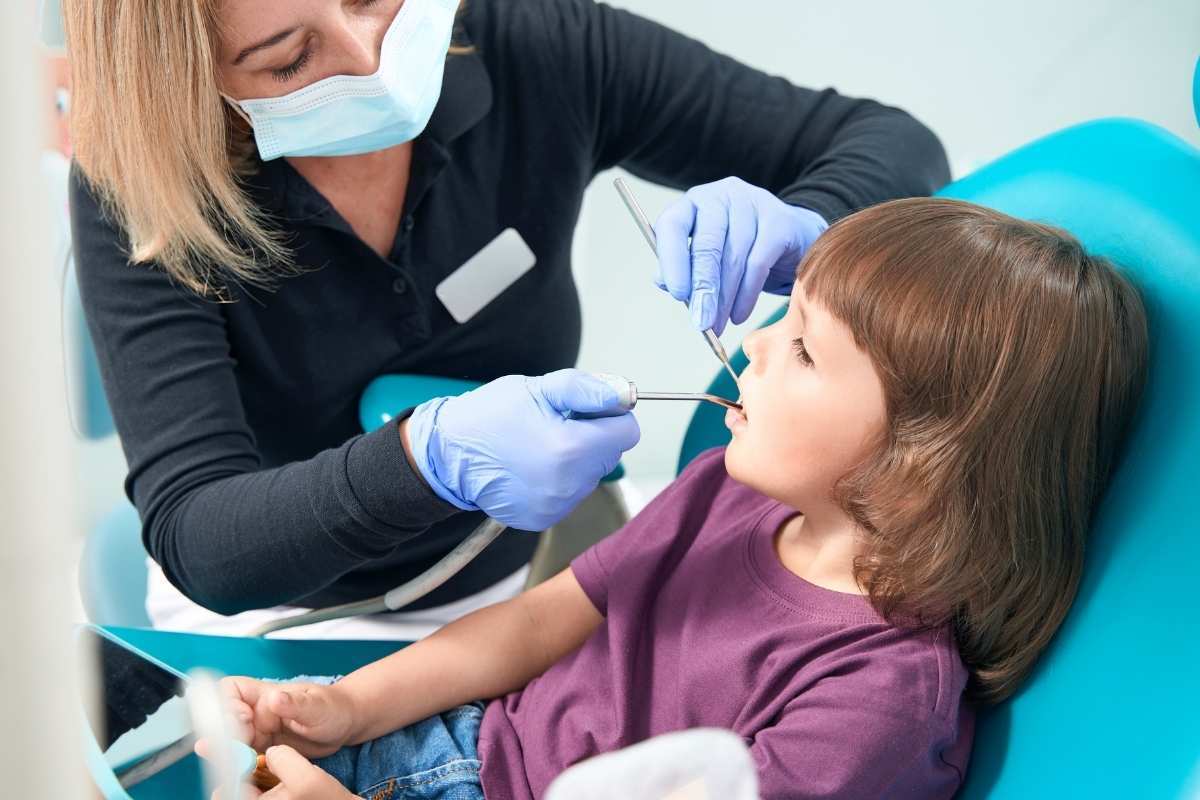
If you’ve noticed a spot, a hole, or you’re just due for a checkup, our team in Pittsford is ready to help your child feel comfortable while we take care of the details. Visit our dental clinic and let Pittsford Orthodontics & Pediatric Dentistry keep those young smiles healthy, one visit at a time.