Can Allergies Affect Your Child’s Oral Health?

Yes, allergies can affect your child’s oral health. While allergies do not directly damage teeth, they can lead to dry mouth, mouth breathing, gum irritation, bad breath, and a higher risk of cavities if left unmanaged. Seasonal allergies, environmental triggers, and even certain allergy medications can change the way your child’s mouth functions. Understanding these effects can help parents protect their child’s smile throughout allergy season.
Many parents focus on runny noses, itchy eyes, and sneezing when allergies strike, but the mouth often feels the impact too. Knowing what to watch for and taking a few simple steps at home can make a meaningful difference.
How Allergies Can Affect Your Child’s Mouth
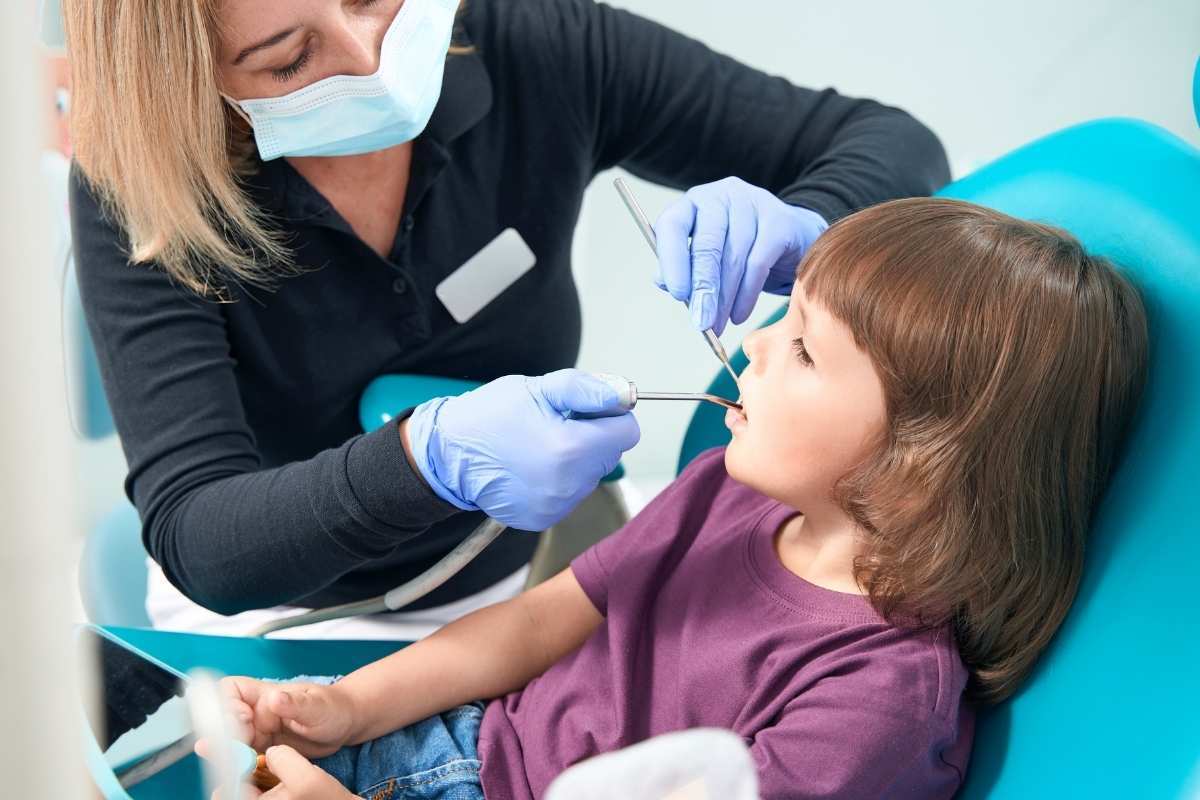
When allergies flare up, the body’s response can create conditions that affect the mouth in several ways. A dental visit can help identify these changes early, especially when symptoms continue for weeks.
If you ever have concerns about how allergies may be affecting your child’s smile, speaking with a children’s oral health expert can help you understand the connection and determine whether your child needs preventive care or treatment.
Mouth Breathing Can Lead to Dry Mouth
Nasal congestion is one of the most common allergy symptoms. When a child’s nose is blocked, they naturally begin breathing through their mouth.
Saliva plays an important role in protecting teeth by washing away food particles, neutralizing acids, and helping control bacteria. Mouth breathing reduces moisture inside the mouth, allowing bacteria to grow more easily.
A dry mouth may increase the risk of:
- Tooth decay
- Bad breath
- Gum irritation
- Sticky plaque buildup
- Mouth discomfort
Children who regularly sleep with their mouths open may wake up with a dry throat or unpleasant breath, even if they brush well before bed.
Allergy Medications May Reduce Saliva
Many allergy medications help relieve symptoms, but some antihistamines can also decrease saliva production.
Less saliva means the mouth loses one of its natural defense systems. Without enough moisture, acids remain on the teeth longer, increasing the chance of enamel damage and cavities.
Parents should never stop allergy medication without medical advice. Instead, encourage healthy hydration and maintain consistent oral hygiene while allergy symptoms are active.
Allergies Can Cause Bad Breath
Bad breath is another common concern during allergy season.
Several factors contribute to this problem, including:
- Dry mouth
- Mouth breathing
- Post-nasal drip
- Bacteria collecting on the tongue
Sometimes parents notice bad breath even when their child brushes regularly. If it continues after allergy symptoms improve, it is worth discussing with a dental professional.
Gum Irritation and Sensitive Tissues
Allergies can sometimes make the soft tissues inside the mouth feel more sensitive.
Some children may experience:
- Swollen gums
- Mild soreness
- Itchy roof of the mouth
- Tender areas inside the cheeks
These symptoms are usually temporary and often improve once allergy symptoms are under control. However, persistent swelling or bleeding should always be evaluated.
Can Allergies Increase the Risk of Cavities?
Indirectly, yes.
Allergies themselves do not cause cavities. However, they create conditions that make tooth decay more likely.
These include:
- Reduced saliva flow
- Increased plaque buildup
- Frequent mouth breathing
- Sugary liquid medications when prescribed
- Drinking less water because of congestion or discomfort
When several of these factors occur together, the risk of tooth decay can increase.
Signs Parents Should Watch For
Pay attention to changes that continue during allergy season, such as:
- Dry lips
- Frequent thirst
- Persistent bad breath
- White coating on the tongue
- Sensitive gums
- Mouth breathing while sleeping
- Complaints of a dry or sticky mouth
Recognizing these signs early allows parents to take preventive steps before small problems become larger ones.
How to Protect Your Child’s Smile During Allergy Season
Good daily habits can reduce many allergy-related oral health concerns.
Encourage Plenty of Water
Water helps keep the mouth moist, washes away bacteria, and supports healthy saliva production.
Keep Up With Brushing and Flossing
Consistent brushing twice a day and daily flossing help remove plaque that may build up more quickly during allergy season.
Clean the Tongue
Bacteria often collect on the tongue and contribute to bad breath. A tongue cleaner or soft toothbrush can help.
Limit Sugary Drinks
Children may prefer juice or sports drinks when they do not feel well, but water remains the best choice for protecting teeth.
Follow Medical Advice for Allergy Management
Managing allergy symptoms effectively may reduce mouth breathing and improve overall comfort.
When Should You Schedule a Dental Visit?
A dental evaluation is a good idea if your child experiences:
- Ongoing dry mouth
- Frequent cavities
- Bad breath that does not improve
- Swollen or bleeding gums
- Mouth breathing that continues after allergy symptoms have improved
- Tooth sensitivity without an obvious cause
Early evaluation can help identify problems before they become more difficult to manage.
Healthy Smiles Start With Everyday Care
Allergies are common during childhood, but their effects on the mouth are often overlooked. Dry mouth, mouth breathing, gum irritation, and changes in saliva can all influence oral health if they continue for an extended period.
By recognizing the signs early and maintaining good daily habits, parents can help keep their child’s teeth and gums healthy throughout allergy season.
Help Your Child Smile Comfortably This Allergy Season
If you have noticed dry mouth, bad breath, or other changes during allergy season, the team at Pittsford Orthodontics & Pediatric Dentistry is here to help families in Pittsford understand what is happening and recommend the right care for growing smiles. Schedule an appointment to keep your child’s oral health on track all year long.
Frequently Asked Questions :
1. Can seasonal allergies cause tooth pain?
They can sometimes create pressure in the sinus areas that feels similar to tooth pain, particularly in the upper back teeth. A dental examination can help determine the actual cause.
2. Is dry mouth from allergies harmful?
Yes. When dry mouth continues, it can increase the risk of cavities, bad breath, and gum irritation because there is less saliva to protect the teeth.
3. Do allergy medicines damage teeth?
The medications themselves do not damage teeth, but some can reduce saliva production. Good hydration and consistent brushing help lower the risk.
4. Why does my child have bad breath during allergy season?
Bad breath often develops because of mouth breathing, dry mouth, post-nasal drip, or bacteria collecting on the tongue.
5. Should my child see a dentist if allergy symptoms affect the mouth?
Yes. If symptoms such as dry mouth, swollen gums, persistent bad breath, or tooth sensitivity continue, a dental evaluation can help identify the cause and recommend appropriate care.