How to Get Rid of a Toothache at Home: What Parents Can Do for Kids

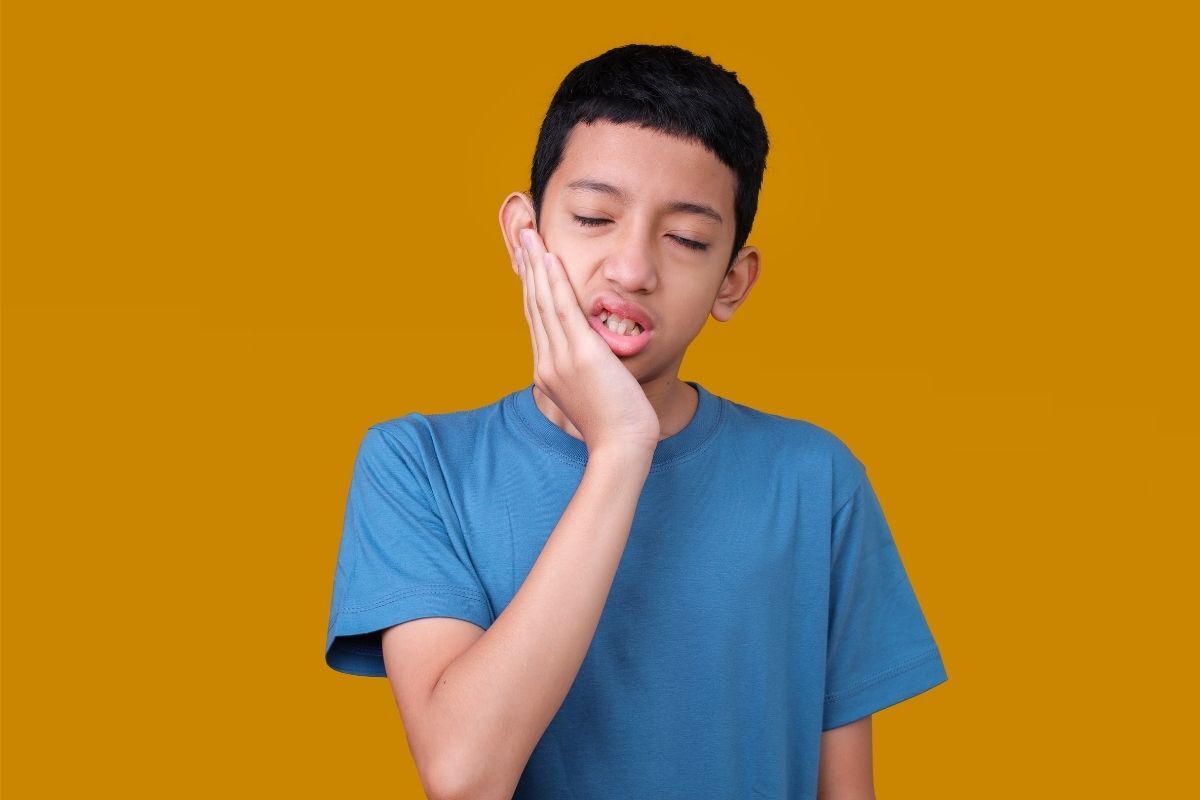
A child’s toothache can be upsetting, especially when it starts at night or makes eating difficult. The good news: a few simple steps at home — gently cleaning around the sore tooth, using a cold compress, offering soft foods — can ease your child’s discomfort while you arrange a dental visit.
Keep in mind: these measures only provide temporary relief. They don’t fix the underlying cause. A toothache can come from a cavity, an infection, an injury, trapped food, or another dental problem — so pain that’s persistent or severe always needs a dentist’s attention.
Quick Answer
| If your child has… | Try this at home | See a dentist if… |
|---|---|---|
| Mild soreness from trapped food | Gentle flossing, warm saltwater rinse | Pain doesn’t improve within a day |
| Sensitivity or aching tooth | Cold compress, soft foods, age-appropriate pain reliever | Pain is persistent, worsening, or disrupts sleep/eating |
| Swelling, fever, or facial swelling | Seek care immediately — this may be an emergency | Trouble breathing/swallowing, or child seems seriously ill |
What Causes Toothaches in Children?
Tooth pain doesn’t always look the same in every child. Some point directly to the painful tooth; younger kids may just become irritable, avoid chewing, or wake up at night.
Common causes:
- Tooth decay — Bacteria and plaque produce acids that damage the tooth. As decay deepens, it can cause sensitivity or persistent pain.
- Food trapped between teeth — A stuck piece of food can press on the gums and cause soreness. Gentle flossing often relieves this.
- Dental infection — A deep cavity can reach the inner tooth and cause infection, sometimes with swelling, a bad taste, or pain when chewing.
- Tooth injury — A fall, sports injury, or accident can damage a tooth even without a visible crack. Any pain after an injury warrants a dental check.
- Loose baby tooth — Can cause mild tenderness as it prepares to fall out, but significant or ongoing pain shouldn’t automatically be blamed on this.
How to Help a Child With a Toothache at Home
While you arrange a dental visit, these five steps can help your child feel more comfortable.
1. Gently Clean the Area
Help your child brush carefully around the painful tooth, and floss gently if they can do so safely, to remove trapped food. Avoid aggressive scrubbing — gentle cleaning keeps plaque from further irritating the tooth and gums.
2. Try a Warm Saltwater Rinse
A warm saltwater rinse can soothe irritated tissue and help keep the mouth clean — but only for children who can reliably swish and spit without swallowing. Skip this for younger kids.
3. Apply a Cold Compress
For swelling or a recent mouth injury, hold a cold compress against the outside of the cheek (with a cloth between the pack and skin), for short periods at a time. This can temporarily ease discomfort and reduce swelling.
4. Offer Soft Foods
Chewing on a painful tooth makes things worse. Try yogurt, oatmeal, scrambled eggs, mashed potatoes, or soft pasta, and avoid foods that are very hot, cold, sticky, or sugary until your child sees a dentist.
5. Keep Brushing
A painful tooth isn’t a reason to stop brushing. Continue brushing twice daily with fluoride toothpaste, taking care around the sensitive spot—this helps prevent plaque buildup while you wait for an appointment.
Can Children Take Pain Medicine for a Toothache?
An age-appropriate, over-the-counter pain reliever may help temporarily. Always follow the dosing instructions for your child’s age and weight, or check with your pediatrician or dentist if unsure.
Never place aspirin directly on a tooth or gums. It can irritate and damage soft oral tissue.
If your child is very young, takes other medications, or has a health condition that could be affected, talk to a healthcare professional before giving any pain medicine.
Home Remedies to Avoid
Not everything found online is safe for kids. Steer clear of:
- Putting aspirin, rubbing alcohol, or undiluted essential oils directly on the tooth or gums — these can irritate or damage oral tissue
- Trying to pop, drain, or squeeze a swollen area in your child’s mouth — a dentist needs to determine the right treatment for swelling caused by infection
Home care should focus on comfort and hygiene, not on trying to treat the underlying problem yourself.
When Should a Child See a Dentist?
Toothaches that continue, come back, or interfere with eating or sleeping need a dentist’s evaluation — pain can fade temporarily even when the underlying problem is still there.
Book a dental visit if your child has:
- Persistent or worsening tooth pain
- Swelling around the gums, tooth, cheek, or jaw
- A bump or pimple on the gums
- Pus or a persistent bad taste
- Fever
- Pain when biting or chewing
- A cracked, chipped, or injured tooth
- Trouble eating or sleeping because of the pain
If you’re ever unsure whether symptoms need prompt attention, a pediatric dental professional can help you decide.
When It’s an Emergency
Seek urgent medical care if your child has significant facial swelling, trouble breathing or swallowing, or seems seriously ill. These can be signs an infection has spread beyond the tooth.
Can a Toothache in a Baby Tooth Be Ignored?
No. Baby teeth still need proper care even though they’ll eventually fall out — they help kids chew, develop clear speech, and hold space for permanent teeth.
Untreated decay can become painful or infected, and infection in a baby tooth can sometimes affect the permanent tooth developing underneath. A dental exam can determine whether the tooth needs treatment or just monitoring.
Preventing Future Toothaches
Build these habits with your child:
- Brush twice a day with fluoride toothpaste
- Clean between teeth regularly
- Drink plenty of water
- Limit frequent sugary snacks and drinks
- Avoid using teeth to open packages or bite hard objects
- Wear a mouthguard during sports when appropriate
- Keep regular dental checkups
Regular checkups catch small cavities and other issues before they turn into painful problems.
Help Your Child Get Comfortable Again
A few simple steps at home can make a toothache easier to manage — but they shouldn’t replace dental care when pain continues. Catching the cause early can keep a small problem from becoming a serious one.
If your child has a toothache or another dental concern, visit our dental clinic in Pittsford for an evaluation. Pittsford Orthodontics & Pediatric Dentistry provides dental care designed around children’s needs. Visit our clinic or learn more on our website to help your child eat, sleep, and smile comfortably again.
Frequently Asked Questions :
1. How long can a child’s toothache last?
It depends on the cause. Mild irritation from trapped food may improve after cleaning, while pain from decay, infection, or injury can persist or worsen. Any ongoing toothache should be evaluated.
2. Can a cavity in a child stop hurting on its own?
Pain can disappear without the cavity being treated — but that doesn’t mean it’s healed. Decay can keep progressing even when symptoms improve temporarily.
3. Does a cold compress help a child’s toothache?
It may temporarily reduce pain and swelling, especially after an injury, but it doesn’t treat the underlying cause.
4. Should I put ice directly on my child’s tooth?
No — direct ice can worsen sensitivity and irritate oral tissue. A cold compress on the outside of the cheek is safer.
5. What should my child eat with a toothache?
Soft foods that require little chewing. Avoid very hot, cold, sticky, or sugary foods if they trigger pain.