
Why Is Your Child Dealing With Mouth Sores? Here’s What’s Really Going On

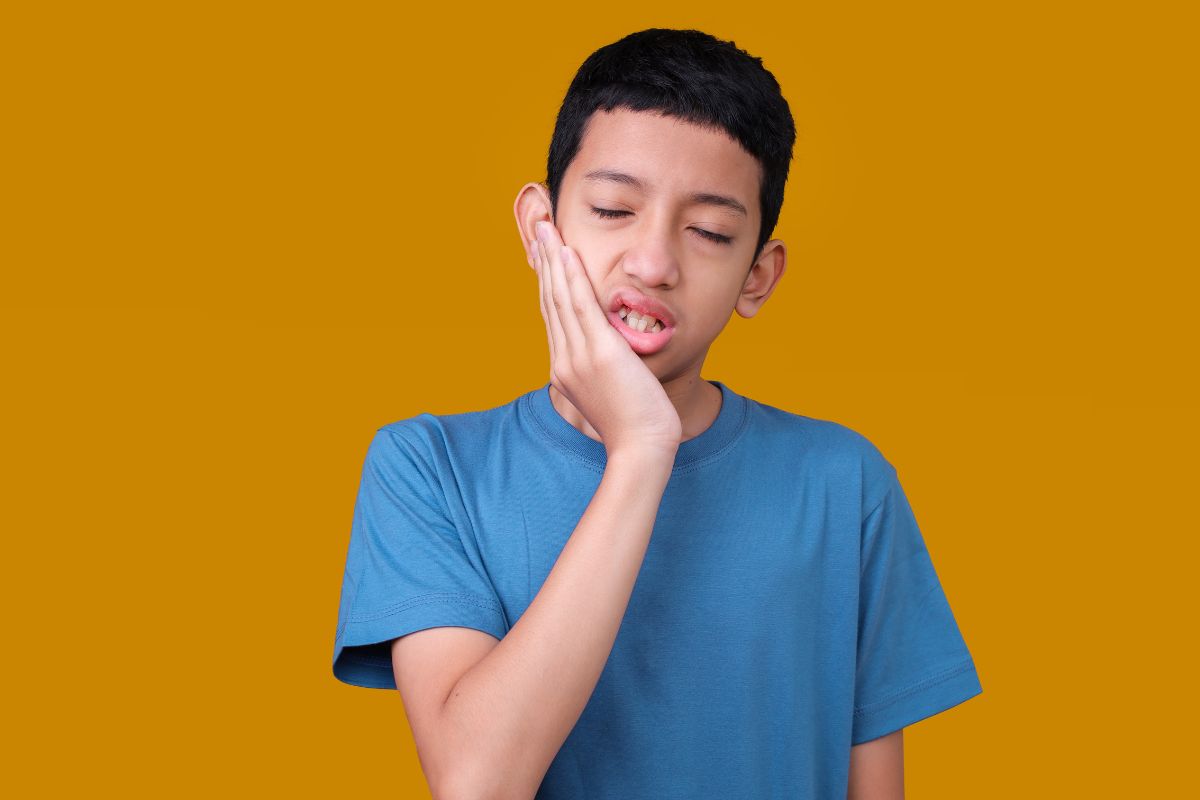
If you just found a small, painful spot inside your child’s cheek or on their lip, here’s the short answer: mouth sores in children are almost always caused by a minor injury, a canker sore, or a common viral infection like cold sores or hand, foot, and mouth disease, and most heal on their own within one to two weeks. They look alarming, especially to a worried parent staring into a crying toddler’s mouth, but the vast majority are not a medical emergency.
That said, “usually harmless” doesn’t mean “ignore it.” Knowing what type of sore you’re dealing with, how long it should realistically take to heal, and which signs mean it’s time to pick up the phone can save you a lot of unnecessary stress. Let’s walk through it.
What Do Mouth Sores Actually Look Like?
Not every sore is the same, and the appearance often tells you what’s causing it.
Canker sores show up as small, round, white or yellow ulcers with a red border. They usually sit on the inside of the cheek, the lip, or the base of the gums, and they are not contagious.
Cold sores (caused by the herpes simplex virus) tend to form as fluid-filled blisters on or around the outside of the lips before they crust over. Unlike canker sores, these are contagious.
Hand, foot, and mouth disease creates small red spots or blisters inside the mouth, often paired with a rash on the palms and soles of the feet. It’s common in daycare-age kids and spreads quickly through classrooms.
Traumatic ulcers happen when a child accidentally bites their cheek or tongue, pokes themselves with a toothbrush, or irritates soft tissue with a new brace or retainer. These are simply the body’s response to injury.
What Actually Causes Mouth Sores in Kids?
There isn’t one single cause, and that’s part of why parents get confused. Here are the most common triggers pediatric dentists see in daily practice:
- Accidental bites or bumps during eating, playing, or falls
- Viral infections, including the herpes virus and the coxsackievirus responsible for hand, foot, and mouth disease
- Stress or fatigue, which can trigger canker sore flare-ups even in young children
- Nutritional gaps, particularly low iron, folate, or vitamin B12
- Irritation from orthodontic appliances, sharp edges on baby teeth, or a rough tooth surface
- Food sensitivities, such as reactions to acidic fruits, chocolate, or certain preservatives
- Family history, since kids with a parent who gets frequent canker sores are more likely to get them too
Sometimes a sore appears for no obvious reason at all, and that’s normal too. The mouth is a high-traffic area, constantly exposed to food, bacteria, and everyday wear and tear.
Are Mouth Sores in Children Contagious?
This depends entirely on the type. Canker sores and traumatic ulcers from biting or irritation are not contagious at all. You can’t catch them from sharing a cup or a kiss goodnight.
Cold sores and hand, foot, and mouth disease are a different story. Both spread through saliva, close contact, and shared items like utensils, cups, or toys. If your child has either of these, it’s worth keeping them home from daycare or school until a doctor confirms they’re no longer contagious, and reminding the whole household to avoid sharing drinks or towels in the meantime.
How Long Do Mouth Sores Usually Last?
Most canker sores clear up within seven to fourteen days without any treatment at all. Cold sores typically follow a similar timeline, though the blister and crusting stages can look different day to day. Hand, foot, and mouth disease sores usually fade within a week as the illness runs its course.
If a sore is still there after two full weeks, that’s the point where it’s worth having a professional take a look, rather than waiting it out further.
Can You Treat Mouth Sores at Home?
Yes, and for the average canker sore or minor bite injury, home care is often all that’s needed. A few things that genuinely help:
- Rinse gently with warm salt water a couple of times a day to reduce bacteria and soothe irritation
- Offer cold foods like yogurt, applesauce, or a popsicle, which can numb the area and make eating more comfortable
- Avoid acidic, spicy, or crunchy foods such as citrus, chips, or tomato sauce, all of which sting an open sore
- Use a soft-bristled toothbrush around the sore so brushing doesn’t make it worse
- Try an over-the-counter oral gel made for children, after checking with your pediatrician or dentist about age-appropriate options
For cold sores, an over-the-counter antiviral cream can shorten the outbreak slightly if applied early. Never give a child aspirin for pain relief, as it’s linked to a rare but serious condition called Reye’s syndrome.
When Should You Actually Call a Dentist or Doctor?
Most sores don’t need a same-day appointment, but a few warning signs change that. Reach out promptly if your child has:
- A sore that hasn’t started healing after two weeks
- A fever above 101°F alongside mouth sores
- Trouble swallowing, drooling excessively, or refusing all food and liquids
- Sores that keep coming back in the same spot, month after month
- Swelling that spreads to the face or jaw
- Signs of dehydration, such as fewer wet diapers, dry lips, or unusual sleepiness
A sore that won’t heal, or one paired with high fever and dehydration signs, is the combination that genuinely warrants urgent attention.
How Do You Prevent Mouth Sores From Coming Back?
You can’t stop every sore before it starts, but a few habits lower the odds:
- Keep a consistent brushing and flossing routine with a soft-bristled brush
- Encourage a balanced diet rich in iron, folate, and vitamin B12
- Watch for and limit foods your child seems sensitive to
- Smooth out any sharp edges on braces, retainers, or damaged teeth as soon as they’re noticed
- Teach kids to avoid sharing cups, utensils, or lip products with friends or siblings during cold sore outbreaks
- Keep regular dental checkups on the calendar so small irritations get caught before they turn into recurring sores
Got a Sore That’s Sticking Around Longer Than It Should?
If your child’s mouth sore hasn’t budged after two weeks, or keeps returning like it’s got a season pass, don’t just wait it out. A quick look from a pediatric dental team can rule out anything more serious and get your kid back to eating, talking, and smiling without wincing.
Visit our dental clinic and let our team at Pittsford Orthodontics & Pediatric Dentistry take a look. We’re right here in Pittsford, and we’d rather catch a small problem early than have your family deal with a bigger one later.
FAQs :
1. Are mouth sores in babies different from those in older kids?
Not really in appearance, but teething, thumb sucking, and pacifier use add extra causes worth watching for in infants and toddlers.
2. Can teething cause mouth sores?
Teething itself doesn’t directly cause ulcers, but the extra drooling and gum irritation can sometimes lead to minor sores or chapped skin around the mouth.
3. Should my child skip school with a mouth sore?
Only if it’s a contagious type, like a cold sore or hand, foot, and mouth disease. A canker sore doesn’t require staying home.
4. Is it normal for sores to keep coming back?
Occasional flare-ups happen, but frequent recurring sores in the same spot deserve a dental checkup to rule out an underlying cause like a rough tooth edge or nutritional gap.
5. What’s the fastest way to ease the pain at home?
Cold foods, saltwater rinses, and avoiding acidic or crunchy snacks give the quickest relief while the sore heals naturally.


