Early Signs Your Child May Need Orthodontic Treatment
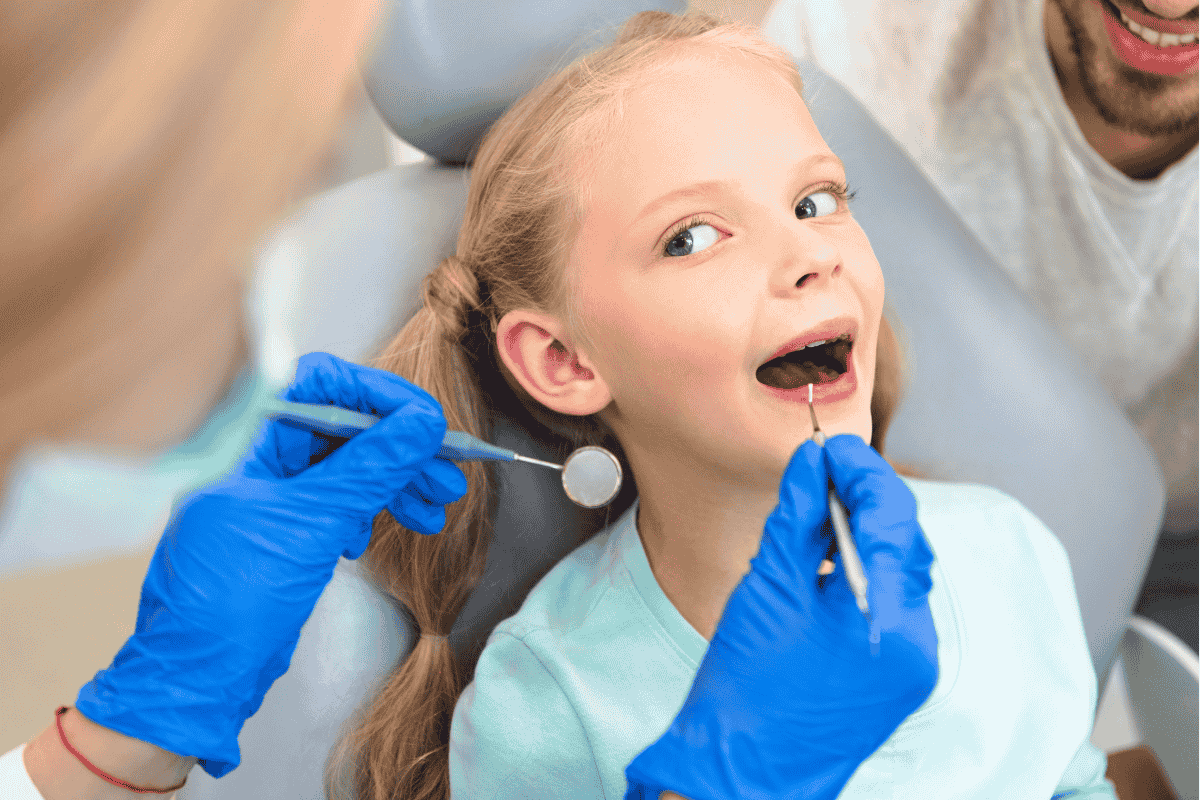
As parents, we watch our children grow and develop in countless ways—first steps, first words, first smiles. But sometimes, what seems like a small detail in your child’s smile can signal a bigger dental need. Identifying early signs that your child may need orthodontic treatment can make a world of difference for their long-term oral health and self-confidence.
Why Early Detection Matters
Orthodontic issues don’t always wait for the teen years to appear. Crooked teeth, misaligned jaws, or irregular bite patterns can develop as early as age 6 or 7. Seeing an orthodontic specialist at the right time ensures that any developing concerns are managed efficiently, often preventing more complex procedures later. Early detection can also improve chewing, speaking, and even breathing patterns for children.
Key Indicators to Watch For
Here are some common signs that your child might benefit from orthodontic evaluation:
- Crowded or crooked teeth: If teeth are overlapping or your child has trouble brushing in certain areas, it could be a signal of limited space in the jaw.
- Difficulty biting or chewing: Frequent biting of cheeks or tongue, or avoiding certain foods, can indicate a misaligned bite.
- Early or late loss of baby teeth: Teeth that fall out too soon or remain longer than usual can disrupt the proper alignment of permanent teeth.
- Mouth breathing or snoring: Breathing primarily through the mouth or persistent snoring may relate to jaw growth issues.
- Jaw shifts or popping: When your child’s lower jaw moves forward or backward while opening or closing, it may signal skeletal misalignment.
- Speech difficulties: Lisping or other speech delays sometimes result from dental misalignment.
- Thumb sucking or prolonged pacifier use: Habits beyond the age of 3–4 years can influence teeth positioning and bite development.
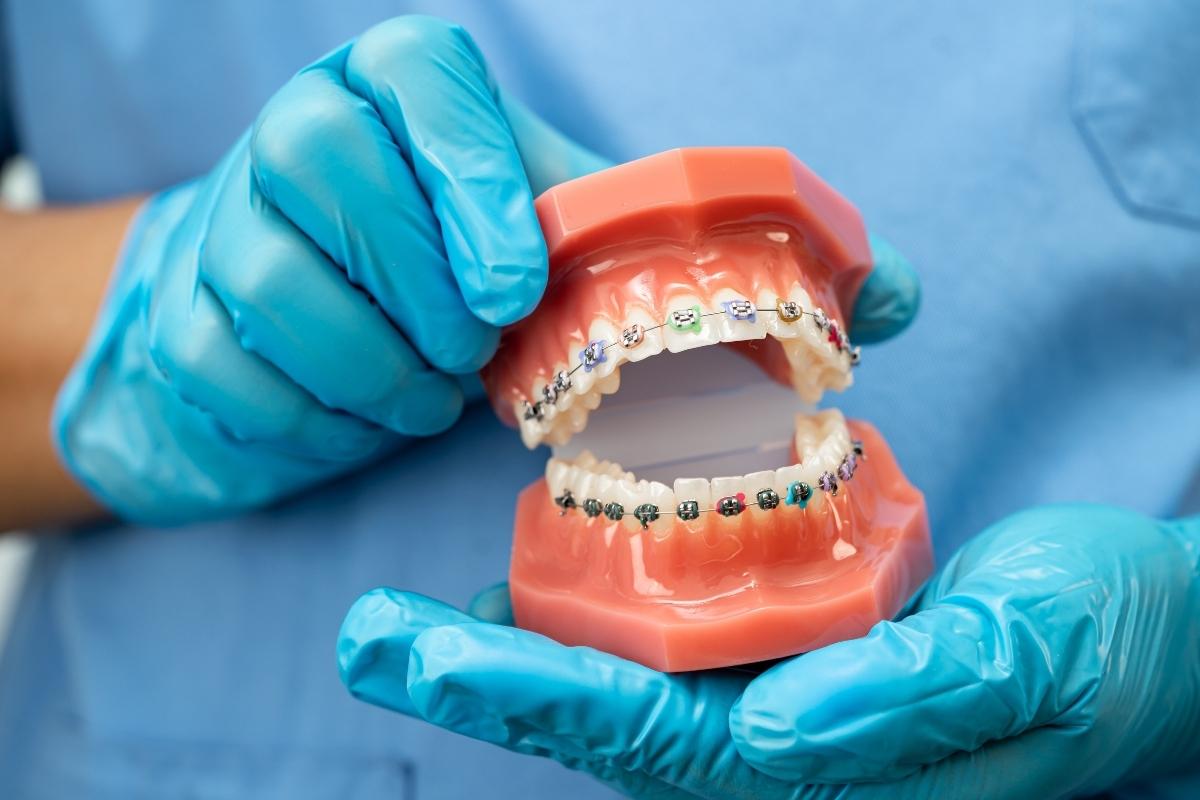
Not every child showing these signs will need braces or advanced treatment, but these are red flags worth noting and discussing with a professional.
Benefits of Early Orthodontic Care
Early intervention isn’t just about aesthetics. Correcting issues while the jaw is still developing can:
- Guide teeth into their proper positions naturally
- Reduce the risk of tooth decay or gum problems caused by crowded teeth
- Prevent future jaw pain or temporomandibular joint (TMJ) issues
- Boost confidence by creating a healthier, balanced smile
Modern orthodontic care is gentle, targeted, and often less invasive when started at the right age. Your child’s comfort and long-term oral health are the main priorities.
Partnering With the Right Team
Choosing the right dental team can make all the difference. A skilled orthodontic specialist brings expertise in recognizing subtle developmental issues and tailoring treatment to your child’s needs. Regular dental visits paired with early orthodontic assessments create a proactive approach to healthy smiles.
Ready to Take the Next Step?
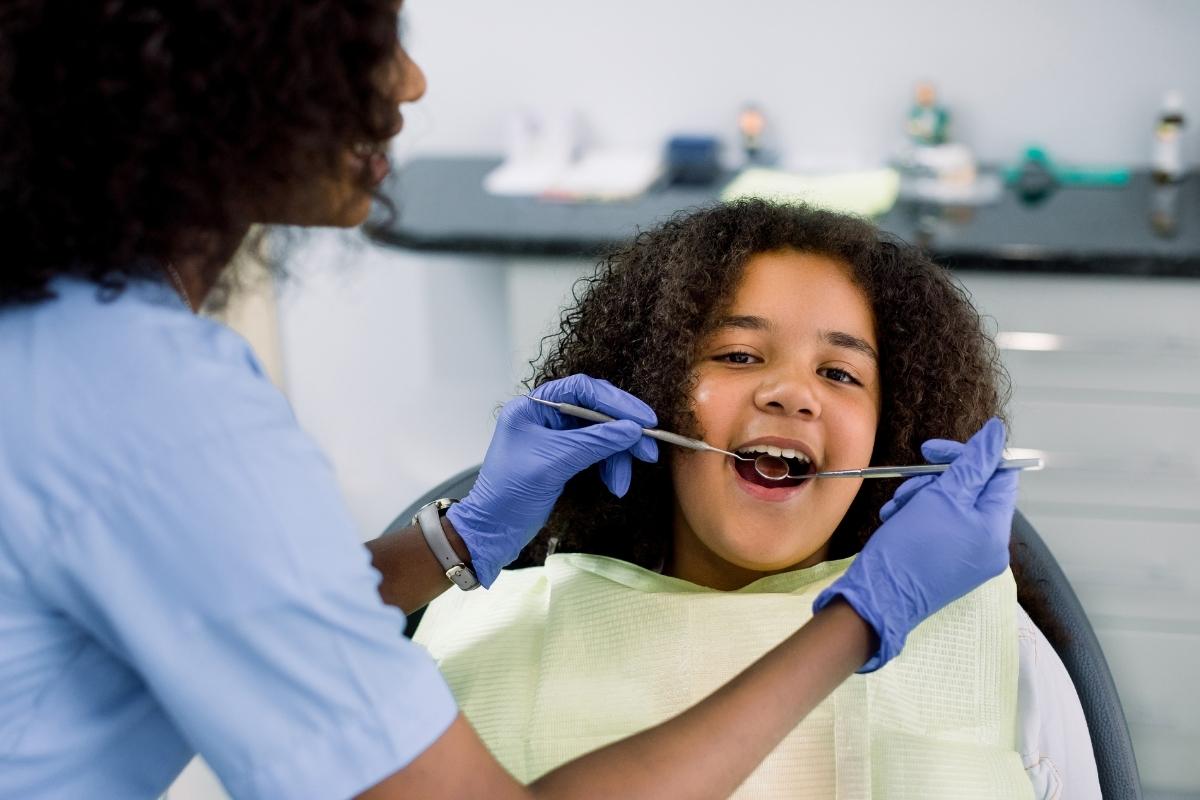
Your child’s smile is worth protecting early. Visit our dental clinic in Pittsford for a thorough orthodontic evaluation. Our friendly team will guide you through what to expect and how to help your child achieve a balanced, confident smile. Don’t wait—early action can prevent bigger concerns later. Schedule a visit today and give your child the foundation for a lifetime of healthy teeth.
FAQs:
Q: At what age should my child first see an orthodontist?
A: The American Association of Orthodontists recommends a first evaluation around age 7. Early detection helps manage growth-related issues effectively.
Q: Are crooked teeth always a problem?
A: Not always. Minor misalignment may self-correct, but significant crowding or bite issues should be assessed to prevent complications.
Q: Can early treatment reduce the need for braces later?
A: Yes. Addressing jaw growth and alignment issues early can often minimize or shorten future orthodontic treatment.
Q: How do I know if my child’s bite is developing properly?
A: Watch for uneven biting, jaw shifts, or frequent discomfort. Your dental team can provide a precise evaluation.
Q: Is orthodontic treatment painful for kids?
A: Modern techniques focus on comfort. Initial adjustments may cause mild soreness, but it’s generally manageable and temporary.