Difficulty Chewing Food in Children: Could It Be a Dental Problem?

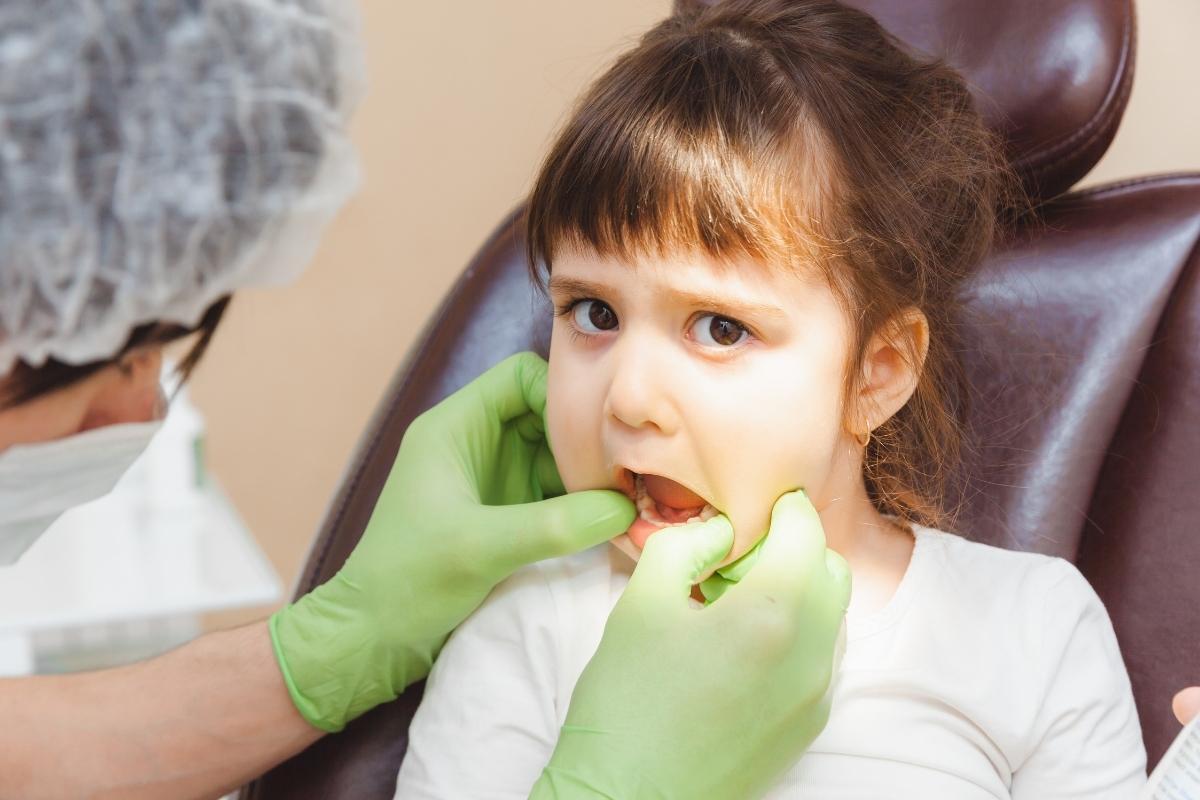
Most parents expect their child to be a picky eater from time to time. However, when a child consistently struggles to chew food, eats unusually slowly, or avoids certain textures altogether, there may be more going on than simple food preferences.
Difficulty chewing can affect nutrition, comfort, and even confidence during meals. In some cases, it may point to an underlying oral health concern that deserves attention.
What Does Difficulty Chewing Look Like in Children?
Children do not always tell parents when something hurts or feels uncomfortable. Instead, they often show signs through their eating habits.
You may notice that your child:
- Avoids crunchy or firm foods
- Takes much longer than others to finish meals
- Chews on only one side of the mouth
- Complains that food feels uncomfortable to bite
- Frequently leaves food unfinished
- Prefers soft foods over a varied diet
When these behaviors become a pattern, it is worth investigating the cause.
Common Dental Issues That Can Affect Chewing
Several oral health conditions can make eating uncomfortable or difficult for children.
| Possible Issue | How It Can Affect Chewing |
|---|---|
| Tooth decay | Pain when biting or chewing |
| Sensitive teeth | Discomfort with hot, cold, or certain textures |
| Misaligned teeth | Difficulty breaking down food properly |
| Loose baby teeth | Tenderness while chewing |
| Gum irritation | Pain and inflammation during meals |
| Bite problems | Uneven pressure when eating |
A child may not always recognize or explain the discomfort, making routine dental evaluations especially important.
Could a Bite Problem Be the Cause?
The way upper and lower teeth come together plays a major role in chewing efficiency.
When teeth do not align correctly, children may struggle to chew certain foods properly. Common bite concerns can include:
- Overbite
- Underbite
- Crossbite
- Open bite
- Crowded teeth
These issues may cause food to be chewed unevenly, leading to frustration at mealtimes and extra strain on the jaw muscles.
When Tooth Pain Is Not Obvious
Many parents expect dental problems to cause noticeable pain. Surprisingly, children can adapt to mild discomfort and continue eating while changing their habits.
For example, a child with a cavity may chew only on one side without mentioning any pain. Others may avoid foods that require more effort because they associate them with discomfort.
Small changes in eating behavior can sometimes be one of the earliest signs that something is wrong.
Other Signs to Watch For
Difficulty chewing may occur alongside other symptoms, including:
- Frequent complaints about mouth discomfort
- Food getting stuck between teeth
- Clicking or popping sounds when opening the mouth
- Swollen or irritated gums
- Persistent bad breath
- Difficulty speaking clearly
When multiple symptoms appear together, a professional evaluation can help identify the underlying cause.
Why Early Evaluation Matters
Chewing is an important part of a child’s development. When oral health issues interfere with eating, they can affect nutrition, growth, and overall well-being.
An examination can determine whether the concern is related to tooth development, bite alignment, gum health, or another oral condition. Early intervention often helps prevent more complex problems later.
Parents looking for guidance from a trusted kids’ dental specialist can benefit from an assessment that focuses on both oral health and age-appropriate development.
Helping Your Child Eat Comfortably Again
If your child consistently struggles with chewing, do not assume they will simply outgrow it. Paying attention to changes in eating habits can help identify concerns before they become more significant.
A healthy smile should allow children to enjoy a variety of foods comfortably and confidently. Addressing potential dental causes early can support better oral health and a more positive eating experience for years to come.
Make Mealtimes Easier for Your Child
When chewing becomes a challenge, getting answers early can make a meaningful difference. The team at Pittsford Orthodontics & Pediatric Dentistry is committed to helping children enjoy healthy, comfortable smiles as they grow.
Visit our dental clinic in Pittsford to learn what may be affecting your child’s ability to chew comfortably. Schedule an appointment with Pittsford Orthodontics & Pediatric Dentistry today and help your child get back to eating with confidence in Pittsford.
Frequently Asked Questions :
Is difficulty chewing always caused by a dental issue?
No. While oral health concerns are a common cause, chewing difficulties can also be related to muscle development, medical conditions, or sensory challenges. A dental evaluation can help rule out oral causes.
Can cavities make it hard for children to chew?
Yes. Even small cavities can create discomfort when pressure is placed on a tooth during eating.
Should I be concerned if my child only eats soft foods?
If the preference is consistent and accompanied by difficulty chewing other foods, it is worth having the situation evaluated.
At what age should chewing problems be checked?
Any ongoing chewing difficulty should be assessed, regardless of age, especially if it affects eating habits or nutrition.