Common Orthodontic Concerns in Children and How to Treat Them


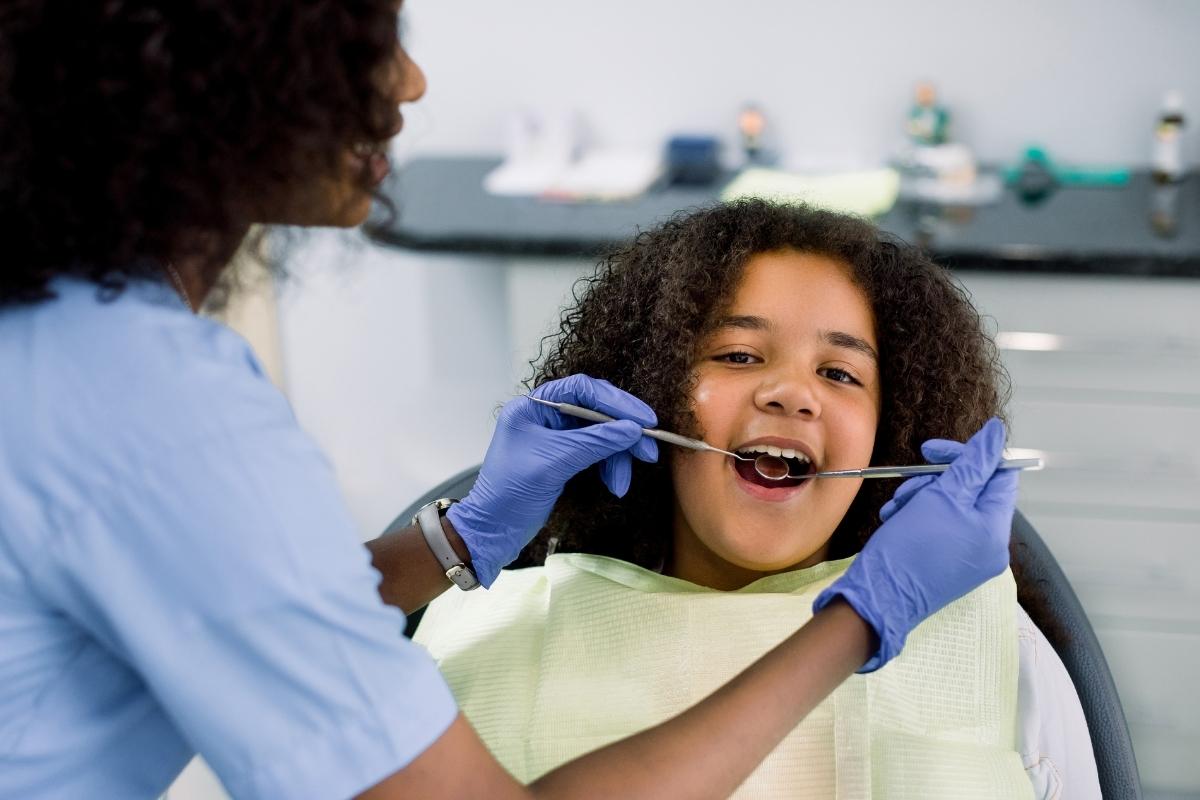
Parents often notice small changes in their child’s smile long before a dentist mentions them. Teeth may come in crooked, jaws may not line up, or chewing might look awkward. These concerns are common during growth, and they can be easier to guide when spotted early.
Children grow fast, and so do their mouths. As baby teeth make way for adult teeth, spacing and timing matter. When teeth crowd or drift, it can affect brushing habits, speech, and even confidence. Addressing these issues early helps keep future treatment simpler and more comfortable.
In our community, families often ask when to start paying attention. A visit with an experienced orthodontist can bring clarity without pressure. The goal is not to rush care, but to understand how a child’s smile is developing and what support may help along the way.
Concerns parents notice most often
• Crowding
When teeth compete for space, they may twist or overlap. This can make cleaning more difficult and increase the risk of decay. Guided spacing during growth can naturally create room.
• Gaps between teeth
Spaces can look harmless, but they sometimes signal missing teeth or growth patterns that need monitoring. Treatment depends on the timing and the way the jaw develops.
• Bite issues
If top and bottom teeth do not meet comfortably, chewing can strain the jaw. Early correction can improve function and reduce enamel wear.
• Thumb or pacifier habits
Prolonged habits may push teeth forward or change jaw shape. Gentle guidance and age-appropriate support can help children stop without stress.
• Early or late tooth loss
Losing baby teeth too soon or too late can disrupt alignment. Simple space guidance can keep adult teeth on track.
How these concerns are treated
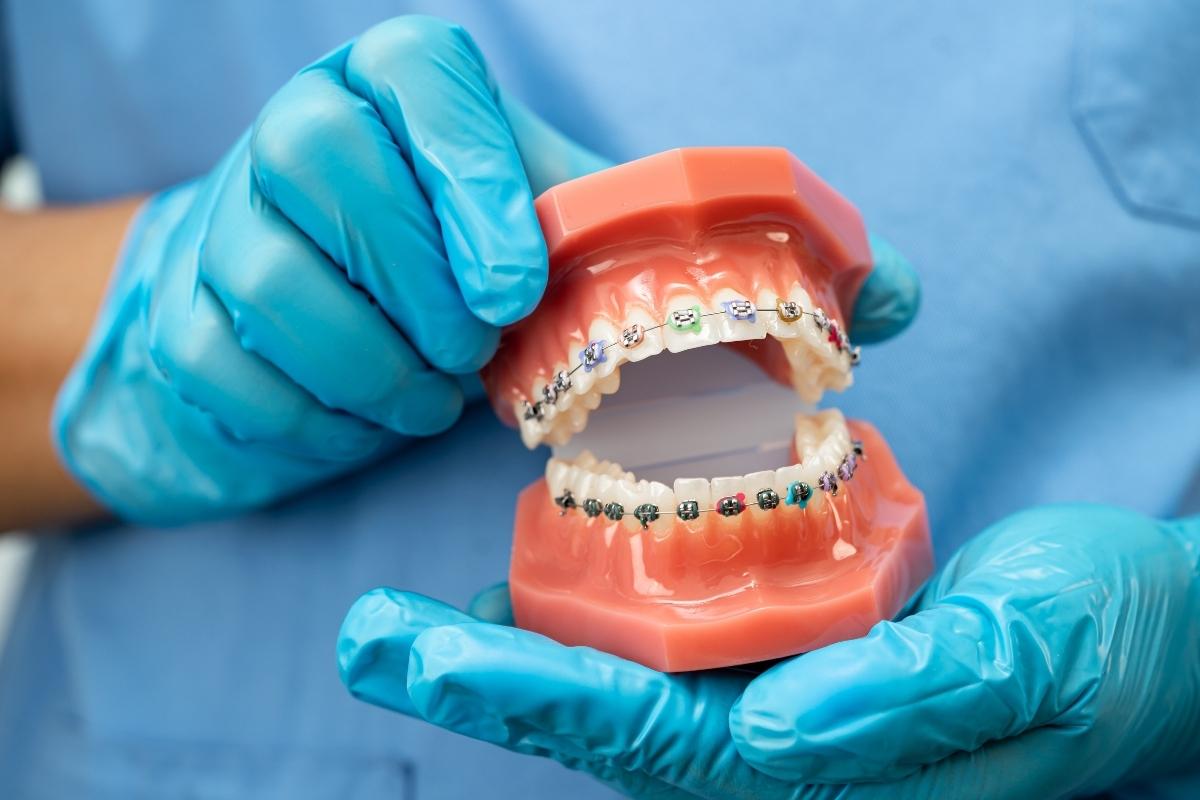
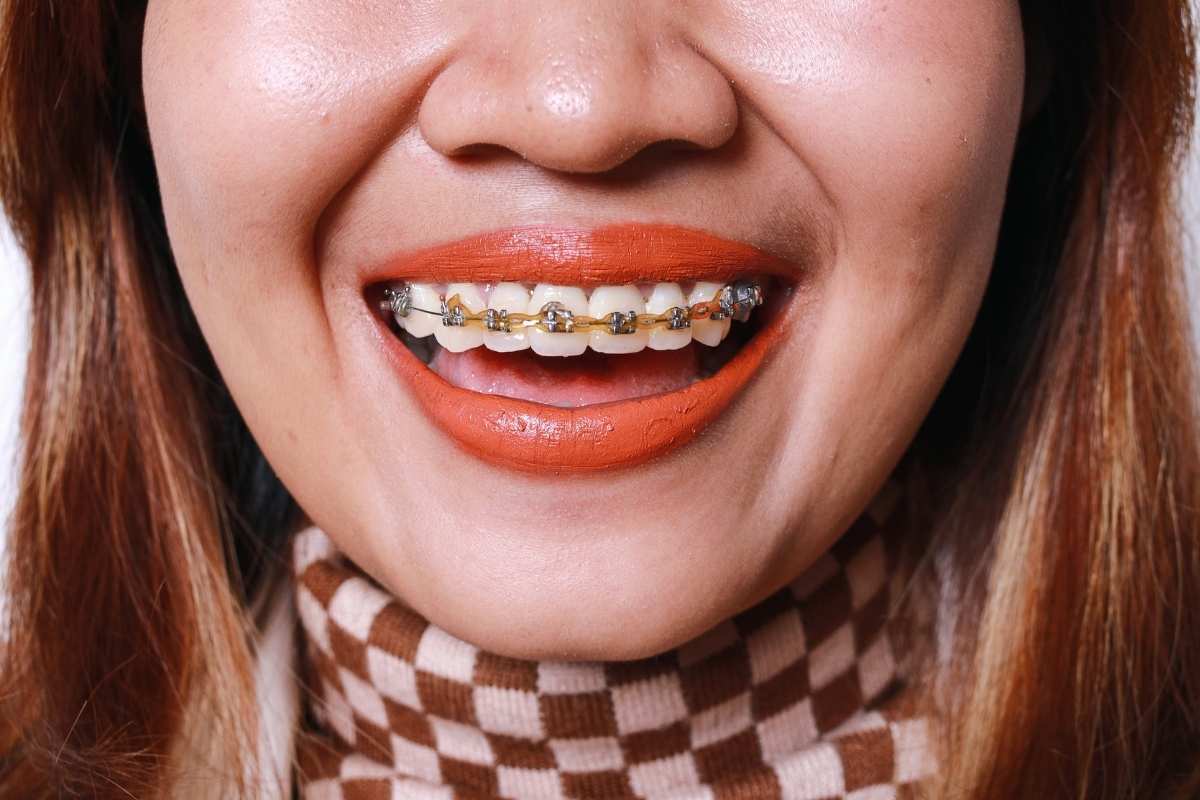
Care usually starts with observation. Growth-based solutions may guide jaw development or hold space until adult teeth arrive. When active care is needed, plans are tailored to the child’s age, comfort, and daily routine. Parents stay informed at every step so there are no surprises.
When should parents schedule a visit?
A check around age seven gives a clear picture of how teeth and jaws are forming. Even if no treatment begins, this visit creates a baseline and peace of mind.
Let’s Talk About Your Child’s Smile in pittsford ny
Every child’s smile tells a story, and timing matters. At Pittsford Orthodontics & Pediatric Dentistry, we focus on thoughtful care that grows with your child. Visit our dental clinic in Pittsford, NY, to start a friendly conversation and explore which support best fits your family.
Got Questions Parents Ask All the Time
Curious minds deserve clear answers. Here are a few quick ones.
Does early care mean long treatment later?
Not always. Early guidance often shortens or simplifies future care.
Will my child feel pain?
Most children adjust quickly. Any discomfort is usually mild and temporary.
How often are visits needed?
Visits vary based on the plan, but they are designed to fit busy family schedules.
Can habits really affect a smile?
Yes. Habits can influence tooth position and jaw growth over time.