
Baby Teeth Turning Grey or Black: Is It a Dental Emergency?

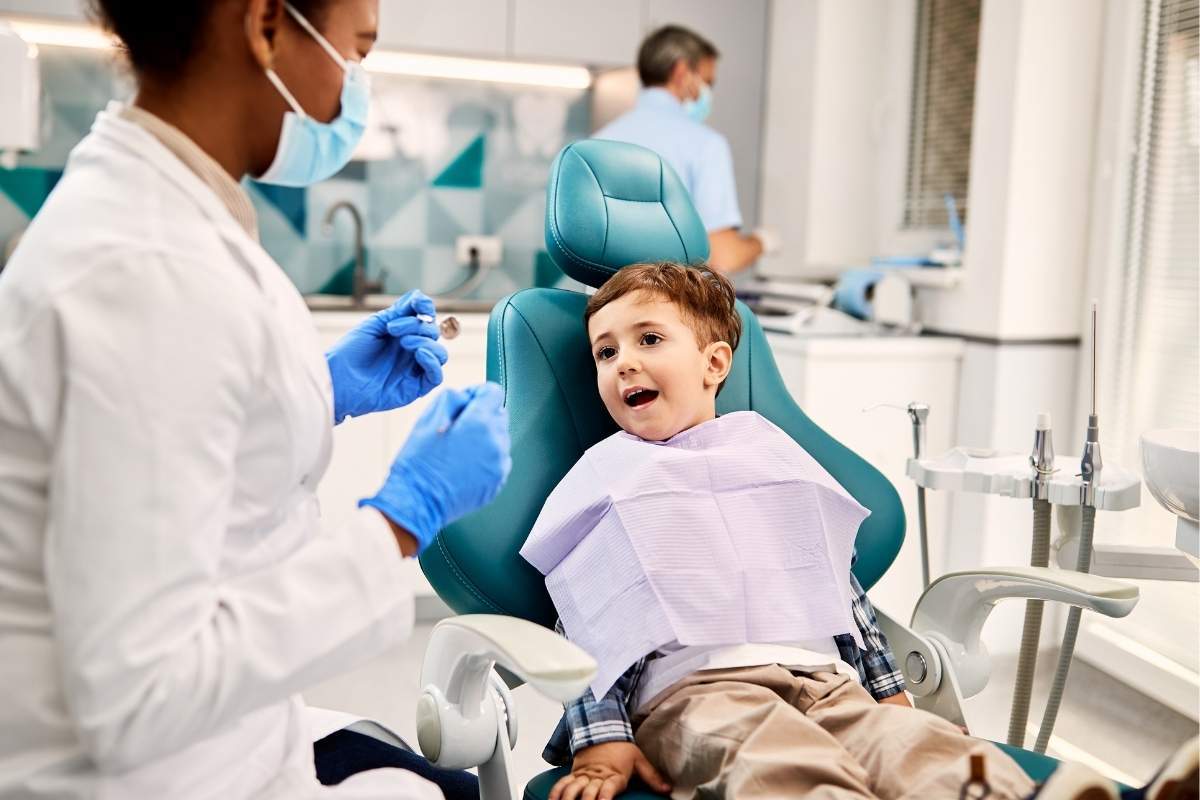
A baby tooth that suddenly turns grey or black can be alarming, but it is not always a dental emergency. In many cases, the color change occurs after an injury or due to staining. However, some cases point to tooth decay, infection, or damage inside the tooth that needs prompt attention. The safest approach is to have your child evaluated as soon as you notice the discoloration so the cause can be identified and treated if necessary.
What Does It Mean When a Baby Tooth Changes Color?
Healthy baby teeth are naturally white with a slight milky appearance. If one or more teeth begin to look grey, black, or very dark, something has changed inside or on the surface of the tooth.
Some causes are harmless, while others require timely treatment. The color alone does not reveal the exact problem, which is why a professional evaluation is important.
If you notice this change, scheduling an appointment with a pediatric dental professional can help determine whether the tooth is healing normally, has suffered internal damage, or needs treatment to prevent complications.
Why Can Baby Teeth Turn Grey?
A grey baby tooth is commonly linked to trauma.
Children often bump their mouths while learning to walk, playing sports, or running around. Even if the injury seemed minor at the time, the impact may damage the tiny blood vessels inside the tooth. Over time, blood pigments can stain the inner part of the tooth, giving it a grey appearance.
Not every grey tooth causes pain or infection. Some remain stable until they naturally fall out. Others may require monitoring or treatment if symptoms develop.
What Causes Baby Teeth to Turn Black?
A black baby tooth may have several possible causes, including:
Tooth Decay
Advanced cavities can destroy the enamel and dentin, causing the tooth to appear dark brown or black.
Staining
Certain foods, beverages, iron supplements, or bacteria can leave dark stains on the outer surface of teeth. These stains often look concerning but may not involve damage inside the tooth.
Injury
A severe impact can cause the tooth to darken significantly if the inner tissue has been damaged.
Infection
If bacteria reach the pulp, the tooth may darken and cause swelling, tenderness, or a small bump on the gum.
Is It Ever a Dental Emergency?
Sometimes yes.
Seek prompt dental care if the discoloration is accompanied by:
- Facial swelling
- Persistent tooth pain
- Bleeding that does not stop
- A pus-filled bump on the gums
- Fever along with dental symptoms
- Difficulty eating because of pain
- A loose tooth after an injury
These signs may indicate infection or significant damage that should not be waited on.
If the tooth changes color without pain or swelling, it may not be an emergency, but it should still be examined within the next few days.
What Happens During the Dental Visit?
The dentist will examine the affected tooth and ask questions about:
- When the color change began
- Whether your child recently fell or injured the tooth
- Any pain or sensitivity
- Changes in eating or brushing habits
Dental X-rays may be recommended to evaluate the roots and surrounding bone when needed.
The goal is to determine whether the tooth is healthy enough to monitor or if treatment is necessary.
How Are Grey or Black Baby Teeth Treated?
Treatment depends entirely on the cause.
Monitoring
If the tooth changed color after an injury but remains healthy, your dentist may simply monitor it during regular checkups.
Professional Cleaning
If staining is responsible, professional cleaning may improve the tooth’s appearance.
Restorative Care
If decay has damaged the tooth, restoring it can help preserve its function until it naturally falls out.
Treating Infection
If the pulp becomes infected, treatment may be recommended to eliminate infection and protect the surrounding tissues.
Tooth Removal
In some situations, removing the affected tooth is the healthiest option, particularly if the infection threatens nearby developing permanent teeth.
Can the Tooth Return to Its Normal Color?
Sometimes.
A tooth that darkened after an injury may gradually lighten over several months. In other cases, the discoloration remains even though the tooth stays healthy.
The color alone does not determine whether treatment is needed. Regular follow up helps ensure the tooth continues developing without problems.
Should You Wait for the Tooth to Fall Out Naturally?
Not without an examination.
Even though baby teeth eventually fall out, they serve important purposes. They help children chew comfortably, speak clearly, and hold space for permanent teeth.
Ignoring a discolored tooth could allow an infection or cavity to worsen, increasing the chance of discomfort or affecting nearby teeth.
Can You Prevent Tooth Discoloration?
While accidents cannot always be avoided, these habits can reduce the risk of discoloration caused by decay:
- Brush your child’s teeth twice each day with fluoride toothpaste appropriate for their age.
- Limit frequent sugary snacks and drinks.
- Encourage drinking water throughout the day.
- Use protective mouthguards during contact sports when appropriate.
- Schedule regular dental visits for preventive care and early detection.
Prompt evaluation after any mouth injury can also help identify problems before they become more serious.
Give Your Child’s Smile the Attention It Deserves
If your child’s baby tooth has turned grey or black, do not assume it will resolve on its own. An early evaluation can determine whether the tooth simply needs monitoring or requires treatment to protect your child’s oral health.
The team at Pittsford Orthodontics & Pediatric Dentistry proudly provides compassionate, child-focused dental care to families in Pittsford. If you notice a change in your child’s tooth color, schedule an appointment to receive a thorough evaluation and personalized treatment recommendations. Whether the discoloration resulted from an injury or another cause, getting answers early provides peace of mind and helps protect your child’s developing smile in Pittsford.
Frequently Asked Questions :
1. Does a grey baby tooth always mean the tooth is dead?
No. A grey tooth may result from internal bleeding after an injury, and some remain healthy without further treatment. A dental examination is needed to determine the condition of the tooth.
2. Can a black baby tooth be saved?
In many cases, yes. If the problem is detected early, treatment may preserve the tooth until it naturally falls out. The best option depends on the underlying cause.
3. Will my child always feel pain if the tooth is infected?
Not always. Some infected teeth cause little or no discomfort at first. Swelling, a bump on the gums, or changes in tooth color may be the first noticeable signs.
4. How soon should I schedule an appointment after noticing tooth discoloration?
Arrange a dental visit within a few days, even if your child is comfortable. If pain, swelling, fever, or bleeding develops, seek care immediately.
5. Can a fall cause only one baby tooth to turn grey?
Yes. It is common for a single tooth that experienced trauma to change color while surrounding teeth remain normal.
