5 Factors Affecting How Long Your Child Wears Braces

The decision to get braces for your child can be exciting! You’re taking a step towards a straighter, healthier smile for them. But along with the excitement often comes a question: how long will my child need to wear braces?
The truth is, there’s no one-size-fits-all answer. The average treatment time for braces can vary depending on several factors.
5 key elements that can influence how long your child’s braces journey might last:
1. Severity of Misalignment
The complexity of your child’s orthodontic case plays a significant role in treatment duration. Minor misalignments like gapping or crowding might only require braces for 12-18 months. Conversely, more severe issues like rotations, deep bites, or open bites can take 24-30 months or even longer to correct.
An orthodontist in Pittsford NY will conduct a thorough examination during the initial consultation to assess the severity of your child’s misalignment and provide a more personalized estimate for treatment time.
2. Age at Treatment Start
Age can be a surprising factor! Younger children, generally between 8 and 10 years old, are still in a stage of jaw development. This allows for more flexibility in influencing tooth movement, potentially leading to shorter treatment times. Orthodontists often recommend starting treatment during this phase with interceptive appliances to guide jaw growth and potentially prevent the need for extensive future treatment.
However, this doesn’t mean older children can’t achieve fantastic results with braces. While treatment times might be slightly longer for teenagers and young adults, modern orthodontic techniques and materials continue to improve efficiency.
3. Compliance with Treatment Instructions
Braces work by applying gentle, controlled pressure to move teeth into their desired positions. For this pressure to be effective, it’s crucial for your child to wear their braces and any additional appliances like elastics as instructed by the orthodontist.
Skipping wear time or neglecting to replace elastics can significantly extend treatment duration. Here’s where open communication and positive reinforcement come in! Discussing the importance of compliance with your child and celebrating milestones along the way can help ensure they stay motivated throughout the process.
4. Oral Hygiene Habits
Maintaining good oral hygiene is essential for overall oral health and successful orthodontic treatment. Proper brushing and flossing techniques help prevent plaque buildup and gum disease, which can complicate tooth movement and potentially delay treatment progress.
Working with your child to develop a consistent oral hygiene routine and scheduling regular dental cleanings will contribute to a smoother and potentially shorter treatment experience.
5. Type of Braces Used
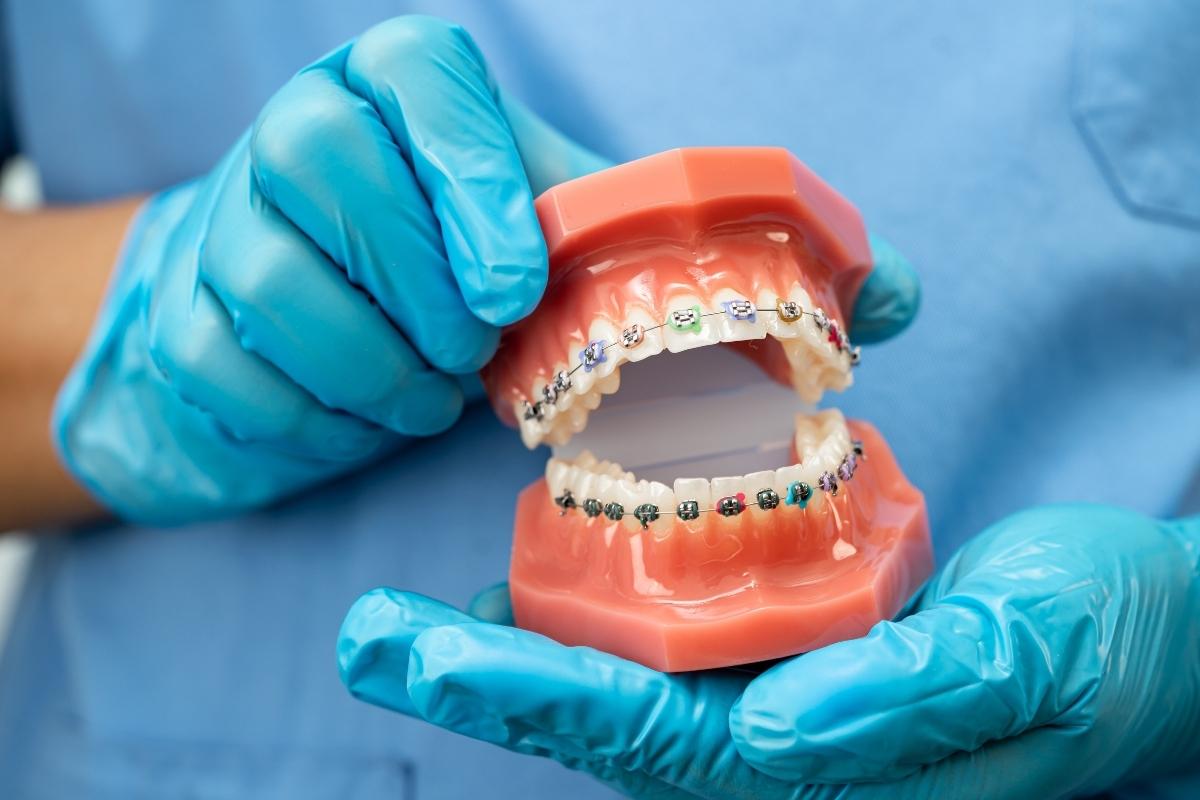
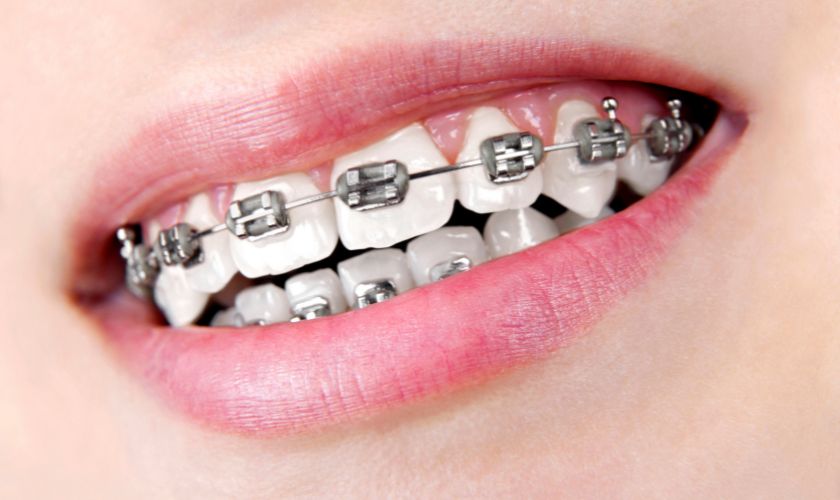
There are different types of braces available, each with its own advantages and considerations regarding treatment time. Traditional metal braces are still a highly effective option, and while they might be the most recognizable, they might not always be the fastest.
Clear braces, while aesthetically pleasing, might require slightly longer wear time due to the material properties. Self-ligating braces, on the other hand, can sometimes lead to slightly shorter treatment times because they reduce the need for frequent adjustments.
Your orthodontist in Pittsford NY will discuss the various options available and recommend the most suitable type of braces for your child’s specific needs and desired outcome, considering both aesthetics and potential treatment duration.