What to Expect After Your Child’s Cavity Treatment

Understanding what to expect after your child’s cavity treatment in Pittsford helps the whole family feel prepared. Whether your child just had their first filling or a follow-up procedure, the hours and days after treatment matter. Dr. Lindsey Behrman and the Dental Staff at Pittsford Orthodontics & Pediatric Dentistry are here to guide you every step of the way. This article covers recovery timelines, eating guidelines, comfort tips, and warning signs to watch for.
What Happens Right After Cavity Treatment in Pittsford
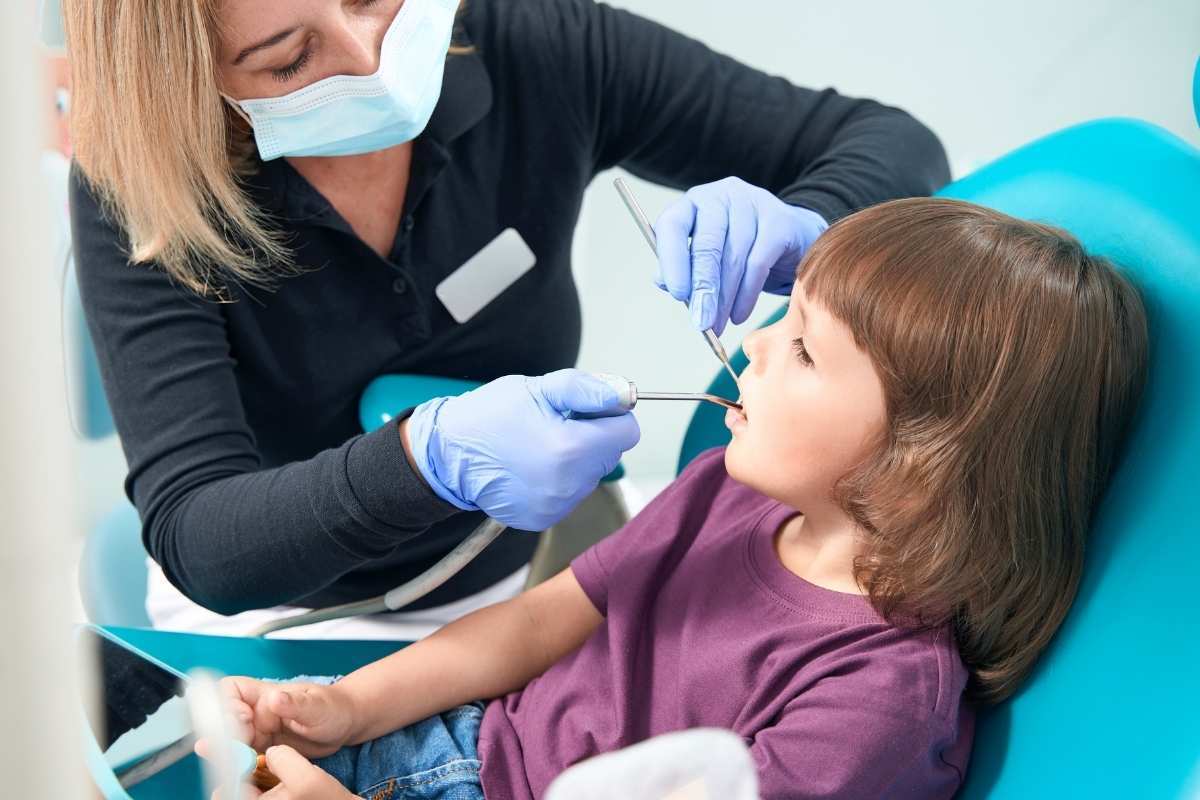
Most cavity fillings for children involve local anesthesia. This numbing medication keeps your child comfortable during the procedure. However, numbness typically lingers for one to three hours after the appointment ends. During this time, your child may feel tingling, heaviness, or a strange sensation in their mouth.
It is important to watch your child closely while they are still numb. Children often accidentally bite their cheek, tongue, or lip without realizing it. This can cause sore spots or small injuries that are entirely preventable. Stay attentive and gently remind your child not to chew until the numbness wears off.
Some children also feel groggy or sensitive after sitting in the dental chair. This is completely normal. Plan a quiet activity at home to help your child relax and recover comfortably.
What Your Child Can Eat After a Filling
Diet choices right after treatment make a big difference in comfort and recovery. Food recommendations depend on whether your child received a tooth-colored composite filling or a silver amalgam filling. Your dentist will let you know which type was used.
Here are general eating guidelines to follow after cavity treatment:
- Wait until the numbness fully wears off before offering any food or drink
- Start with soft foods like yogurt, applesauce, mashed potatoes, or soup
- Avoid sticky foods like gummy candies, caramel, or chewy fruit snacks
- Skip hard, crunchy foods such as chips, raw carrots, or hard crackers
- Stay away from very hot or very cold drinks for the first day
- Encourage your child to chew on the opposite side of the treated tooth
Composite fillings harden immediately with a special curing light. Amalgam fillings take a bit longer to fully set. Either way, giving the treated area a break from heavy chewing for at least 24 hours is always a smart approach.
Managing Discomfort and Sensitivity After Treatment
Some soreness around the treated tooth is completely expected. Your child may feel sensitivity when biting down or when eating something sweet, cold, or hot. This sensitivity usually fades within a few days to a week.
Here are simple steps to help your child feel more comfortable during recovery:
- Give child-appropriate pain relief medication like acetaminophen or ibuprofen as directed
- Apply a cold compress to the outside of the cheek if there is swelling
- Encourage gentle rinsing with warm salt water after the first 24 hours
- Use a soft-bristled toothbrush when brushing near the treated tooth
- Reassure your child that mild sensitivity is normal and temporary
Children often feel anxious after dental procedures. Keeping a calm, positive tone at home goes a long way. Praise your child for being brave and focus on how strong their healthy smile is becoming.
If your child’s sensitivity seems severe or does not improve after one week, contact Dr. Behrman’s office right away. Occasionally, a bite adjustment is needed to ensure the filling fits perfectly.
How to Protect Your Child’s Teeth Going Forward
After cavity treatment, the goal is to prevent future cavities from forming. Good habits established now will protect your child’s smile for years to come. The recovery period is actually a great time to reinforce these habits as a family.
Brushing twice daily with a fluoride toothpaste is essential for children of all ages. Flossing once daily helps remove food and plaque from between teeth. Limiting sugary snacks and drinks also dramatically lowers cavity risk over time.
Ask Dr. Behrman whether your child is a good candidate for preventive treatments. Dental Sealants are a proven way to protect the deep grooves of back teeth where cavities most commonly form. Sealants act as a barrier against food particles and bacteria, making them an excellent tool after cavity treatment.
Keeping up with regular check-up appointments every six months is also critical. Catching early signs of decay before they become full cavities saves your child discomfort and reduces the need for future treatment.
When to Call the Dental Office
Most children recover from cavity fillings without any complications. However, parents should know which symptoms are worth a phone call to the office. It is always better to reach out when something seems off.
Contact Pittsford Orthodontics & Pediatric Dentistry if you notice any of the following:
- Tooth sensitivity that worsens after the first few days instead of improving
- Pain that is severe or does not respond to child-appropriate pain relief
- Visible swelling inside the mouth or on the face or jaw
- Your child complains that their bite feels uneven or uncomfortable
- The filling feels loose, cracked, or falls out
- Any signs of infection such as fever or pus near the treated tooth
These situations are uncommon but can occur. Acting quickly ensures your child gets the care they need before a small issue becomes a bigger problem. The team at Pittsford Orthodontics & Pediatric Dentistry is always happy to answer questions and address concerns.
Conclusion: Helping Your Child Recover With Confidence
Knowing what to expect after your child’s cavity treatment in Pittsford takes the stress out of the recovery process. Focus on soft foods, monitor the treated area, manage any discomfort gently, and build stronger dental habits going forward. With the right care at home and regular visits to Dr. Behrman, your child’s smile will stay healthy and bright. Book Now to schedule your appointment with our team.
Frequently Asked Questions :
1. How long will my child’s mouth be numb after a cavity filling?
Local anesthesia typically wears off within one to three hours after the appointment. During this time, keep a close eye on your child to prevent them from accidentally biting their cheek, tongue, or lip. The numbness fades gradually, and your child will let you know when they can feel normally again.
2. Can my child go back to school after getting a cavity filled?
In most cases, yes. Cavity fillings are routine procedures that do not require significant downtime. Your child may feel a bit tired or sensitive, but they can typically return to school the same day. Use your judgment based on how your child feels after the appointment.
3. Is it normal for my child to have a sore jaw after a filling?
Yes, mild jaw soreness is common after sitting with the mouth open during treatment. This discomfort usually resolves within a day or two. A warm compress applied gently to the jaw can help ease tension. If soreness is severe or lasts beyond a few days, call our office.
4. What if my child’s filling falls out?
Contact Pittsford Orthodontics & Pediatric Dentistry as soon as possible if a filling comes out. Avoid giving your child sticky or hard foods in the meantime. Dr. Behrman’s team will assess the tooth and replace the filling quickly to protect your child’s oral health.
How can I prevent my child from getting another cavity after treatment?
Consistent brushing twice daily with fluoride toothpaste, daily flossing, limiting sugary snacks, and attending regular dental check-ups are the best prevention strategies. Ask Dr. Behrman about dental sealants and fluoride treatments, which add extra layers of protection for children prone to cavities.