Can Brushing Too Hard Damage a Child’s Teeth?

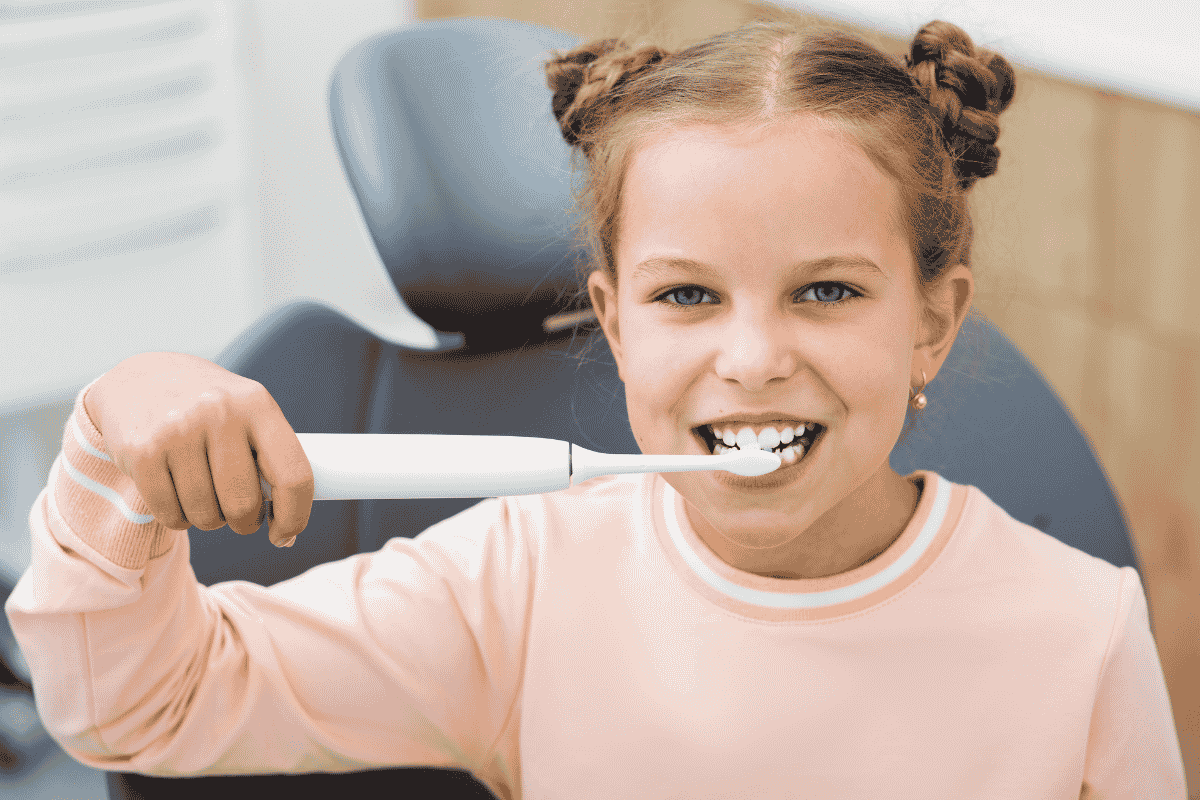
Yes, brushing too hard can irritate a child’s gums and contribute to tooth wear over time. Using a soft-bristled toothbrush, gentle pressure, and proper technique helps remove plaque without harming the teeth and gums. Parents should watch for signs of aggressive brushing and help children develop healthy habits early.
What Happens If a Child Brushes Too Hard?
Aggressive brushing can cause several problems, especially when children repeatedly scrub the same areas.
- Enamel wear: Excessive pressure, particularly alongside acidic foods or abrasive toothpaste, can contribute to tooth surface wear.
- Gum irritation: Hard brushing can make gums sore, red, or prone to bleeding.
- Gum recession: Repeated trauma may contribute to gums pulling away from teeth.
- Tooth sensitivity: Worn enamel or exposed root surfaces can make cold drinks and hot foods uncomfortable.
Bleeding gums do not always mean brushing too hard. Plaque buildup and gum inflammation can also cause bleeding, so recurring symptoms deserve a dental evaluation.
How Can You Tell If Your Child Is Brushing Too Hard?
Look for these possible warning signs:
- Toothbrush bristles become flattened or frayed quickly.
- Gums look irritated or feel tender after brushing.
- Your child complains of sensitivity while eating or drinking.
- Gumlines appear to change or expose more of the tooth.
- Brushing regularly causes discomfort.
These signs do not confirm damage on their own. A dentist can identify the cause and recommend the right changes.
How Should Children Brush Their Teeth Properly?
Parents can make brushing safer and more effective with a few simple steps.
Choose a Soft Bristled Toothbrush
Use a child sized toothbrush with soft bristles and a small head. Replace it when the bristles become worn or frayed.
Teach Gentle Brushing
Show your child how to use small, controlled circular movements. Avoid vigorous scrubbing, particularly along the gumline. Gentle pressure is enough to remove plaque.
Brush Twice Daily
Help your child brush for two minutes in the morning and before bed. A timer or brushing song can make the routine easier to follow.
Supervise Brushing
Many children need assistance until around age seven or eight. Check that they clean every tooth surface and use an appropriate amount of fluoride toothpaste.
Consider a Pressure Sensor Toothbrush
An electric toothbrush with a pressure sensor may help children who tend to press too hard. However, proper technique matters more than the type of toothbrush.
Can Damaged Enamel or Gums Grow Back?
Lost enamel does not grow back, although fluoride can help strengthen weakened enamel before a cavity develops. Receded gum tissue also does not usually return naturally.
Correcting brushing habits early can help prevent further damage. Consult a dentist if your child has persistent sensitivity, bleeding gums, visible gum changes, or pain.
Frequently Asked Questions
Can brushing too hard cause cavities?
Brushing too hard does not directly cause cavities, but tooth wear can weaken the protective surface. Fluoride toothpaste and proper brushing help prevent decay.
Should children’s gums bleed after brushing?
No. Repeated bleeding may indicate gum inflammation, brushing trauma, or another problem. Arrange a dental evaluation to identify the cause.
Are soft bristles better for children?
Yes. Soft bristles clean effectively while being gentler on teeth and gums.
Build Better Brushing Habits Early
Gentle brushing and regular dental checkups help protect developing teeth. Visit our dental clinic in Pittsford for guidance on your child’s oral hygiene and preventive dental care. Pittsford Orthodontics & Pediatric Dentistry can help your family build healthy habits that last.