Foods That Secretly Damage Children’s Teeth
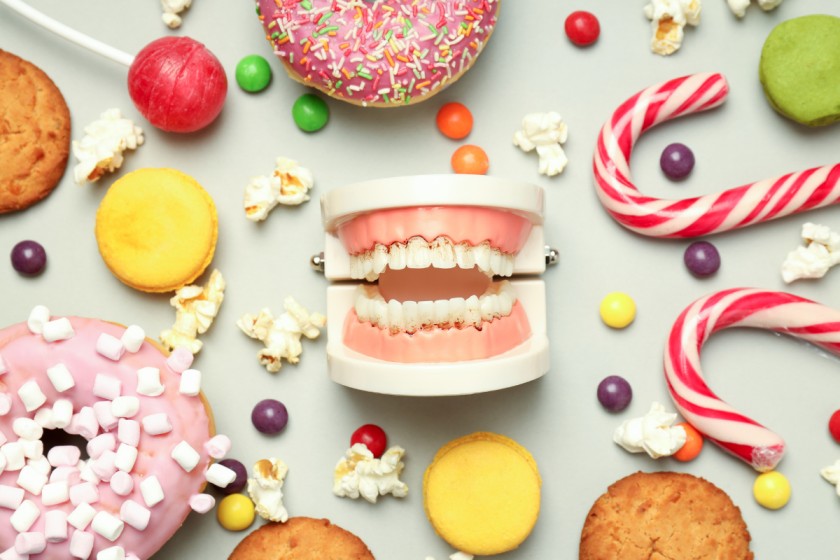
Most parents watch out for candy and soda, but cavities rarely come from obvious sources alone. Many everyday snacks and drinks that feel “safe” for kids quietly contribute to enamel damage, especially when they’re eaten often throughout the day.
Understanding these hidden triggers can help protect your child’s smile in a simple, realistic way.
1. Sneaky Snacks That Stick Around Too Long
Some foods don’t wash away easily. They cling to teeth, stay in grooves, and feed bacteria for hours.
Sticky and chewy foods
Fruit snacks, gummies, caramel, and dried fruit are major examples. Even though dried fruit seems natural, it concentrates sugar and behaves like candy once it sticks to teeth.
Why this matters
When food stays on teeth, bacteria get a longer window to produce acid. That acid slowly weakens enamel, especially in hard-to-clean areas.
2. Starchy Foods That Turn Into Sugar Fast
Not all cavity-causing foods taste sweet.
Common culprits
Crackers, chips, white bread, pasta, and pretzels break down into simple sugars as soon as they mix with saliva.
The hidden problem
These starches often get trapped between teeth. Because they don’t taste sugary, kids rarely rinse or brush right away, which allows residue to sit longer than expected.
3. Drinks That Look Harmless but Act Like Sugar Baths
Drinks can be just as harmful as snacks, sometimes even more.
What to watch for
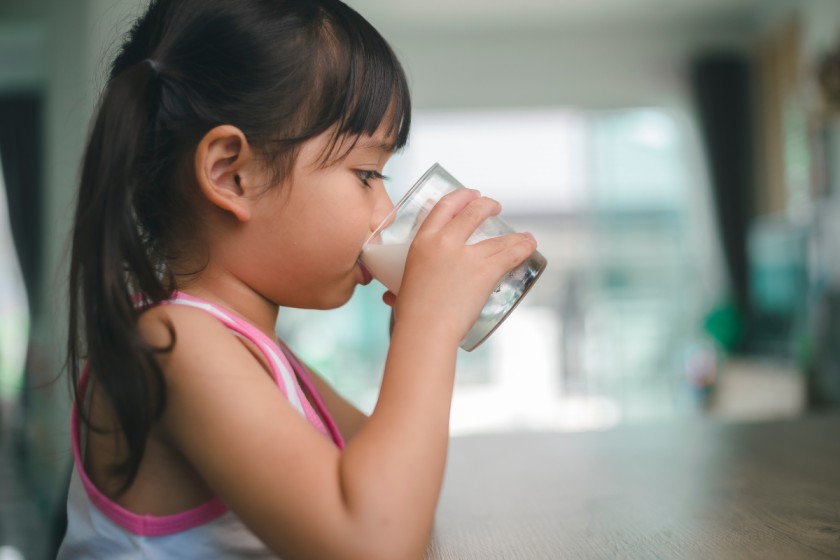
Juice boxes, flavored milk, chocolate milk, and sports drinks are often loaded with sugar and acid.
The real issue
Sipping throughout the day keeps teeth constantly exposed to acid. Even small, repeated sips matter more than one single serving.
4. Why Snacking Frequency Is a Bigger Risk Than Parents Realize
It’s not only about what kids eat, but how often they eat.
Each snack starts a new acid attack in the mouth. Saliva helps neutralize this acid, but it needs time between eating sessions to recover and protect enamel.
When kids snack continuously, especially during school or after activities around Pittsford, their teeth rarely get a break to repair naturally.
5. Smarter Habits That Actually Protect Teeth
Simple shifts in daily routines can make a real difference without changing everything your child enjoys.
Choose water more often
Water helps rinse away food particles and restores balance in the mouth.
Time treats with meals
Sticky or sugary foods are less harmful when eaten with meals instead of spread throughout the day.
Add tooth-friendly crunch
Apples, carrots, and cucumbers help stimulate saliva and naturally clean the tooth surfaces.
Stay consistent with brushing
Brushing twice daily and flossing once helps remove the buildup that food alone leaves behind.
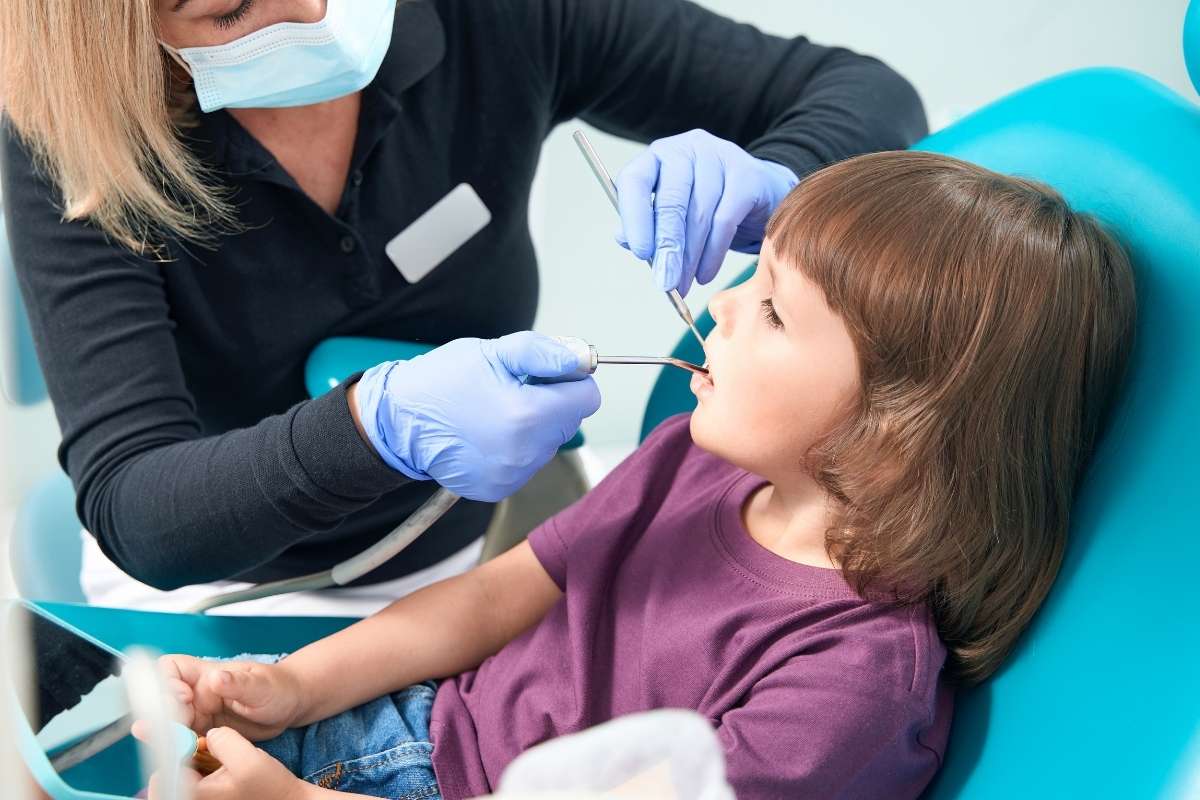
These habits work best when combined with early awareness from children’s dentistry care, which focuses on prevention during key growth years.
A Simple Shift for Stronger Smiles
Healthy teeth aren’t about eliminating treats completely. They’re about understanding how certain foods behave in the mouth and how often teeth are exposed to them.
Small daily choices can significantly lower cavity risk and support stronger enamel as your child grows.
Supporting Your Child’s Smile Every Step of the Way
For personalized guidance and preventive care, Pittsford Orthodontics & Pediatric Dentistry is here to help families make confident choices about oral health. Visit our dental office in Pittsford and learn more at Pittsford Orthodontics & Pediatric Dentistry.
Frequently Asked Questions :
Which foods are most harmful to children’s teeth?
Sticky sweets, dried fruits, refined starches, and sugary drinks are the most damaging because they either cling to teeth or create frequent acid exposure.
Is dried fruit better than candy?
It may seem healthier, but dried fruit is sticky and concentrated in sugar, making it similar to candy in how it affects teeth.
How often should kids snack?
Fewer snack times are better. Constant grazing reduces the time saliva has to protect and repair enamel.
Are sugary drinks worse than food?
Yes, in many cases. Drinks like juice and sports beverages coat teeth quickly and are often consumed slowly over time, increasing exposure.