Signs of Uneven Jaw Growth in Children and What to Do
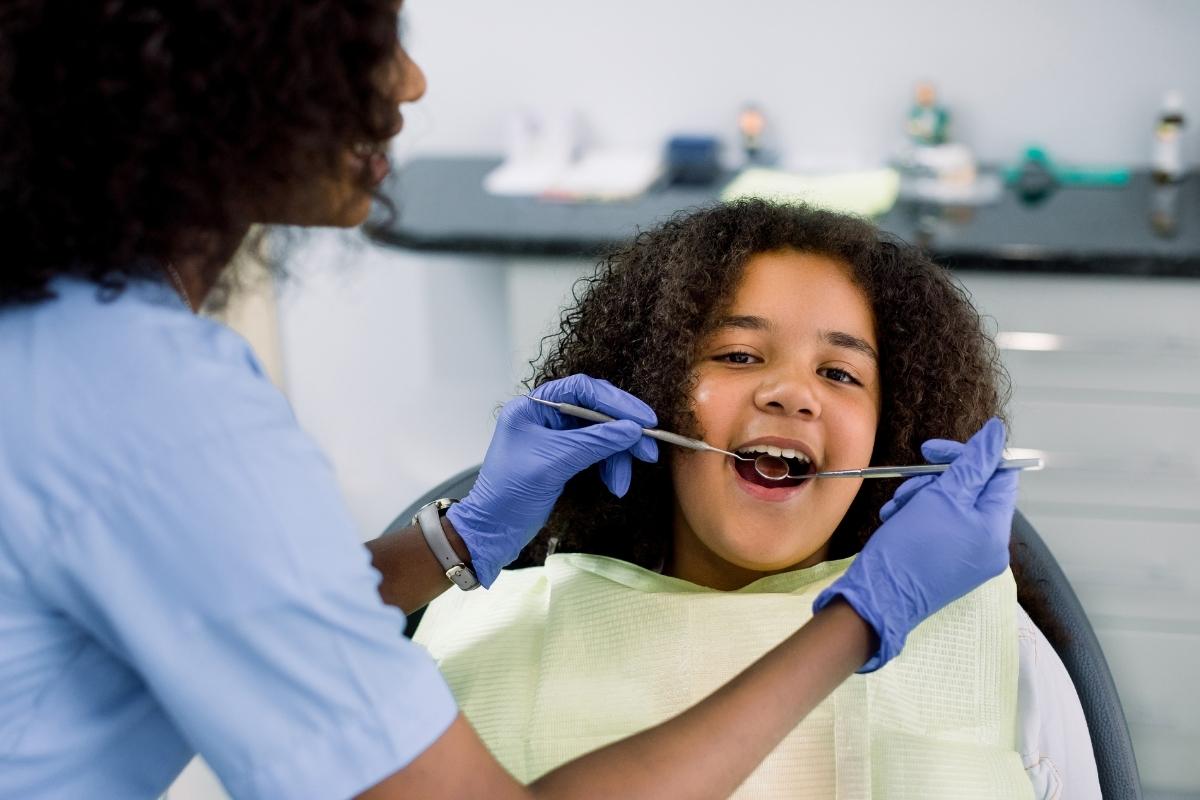
A child’s smile does more than look cute in photos. It reflects how their teeth and jaws are developing beneath the surface. When the upper and lower jaws do not grow in sync, it can affect chewing, speech, and even facial balance. The tricky part is that uneven jaw growth often starts subtly, which makes it easy to miss. Knowing what to watch for and when to act can make a big difference in your child’s comfort and long-term oral health.
Early Signs You Should Not Ignore
Changes in Bite and Alignment
If your child’s teeth do not come together evenly when they close their mouth, it may point to a developing imbalance. You might notice the front teeth not touching, or the lower jaw shifting to one side when biting down.
Facial Asymmetry
One side of the face appearing slightly different from the other can signal uneven growth. This could show up as a tilted smile or a jaw that looks off center in photos.
Difficulty Chewing or Biting
Kids may avoid certain foods or complain that chewing feels “weird” or uncomfortable. This is often a sign that the jaws are not working together properly.
Speech Concerns
A developing jaw issue can affect how a child forms certain sounds. If speech seems unclear or changes over time, it is worth a closer look.
Mouth Breathing or Jaw Shifting
Frequent mouth breathing or a noticeable shift in the jaw while talking or eating can also indicate that something is not aligning as it should.
Why Early Evaluation Matters
When jaw growth issues go untreated, they can become more complex over time. Addressing them early gives the jaw a better chance to develop properly while your child is still growing.
In many cases, an orthodontic specialist can guide jaw development using gentle, growth-focused approaches. Early care does not always mean extensive treatment. Sometimes it simply means monitoring changes and stepping in at the right moment.
Early attention can help:
- Improve how teeth fit together
- Support clearer speech development
- Reduce the risk of future dental complications
- Enhance facial balance as your child grows
What Parents Can Do Next
- Schedule an early checkup
Around age seven is a good time to evaluate jaw development, even if everything looks fine. - Watch for patterns, not one-time issues
Occasional discomfort is normal. Ongoing concerns deserve attention. - Encourage good oral habits
Thumb sucking, prolonged pacifier use, or tongue thrusting can influence jaw growth. - Ask questions and stay involved
Understanding what is happening helps you make confident decisions for your child. - Follow recommended guidance
If monitoring or treatment is suggested, consistency plays a big role in success.
Treatment Options That May Be Recommended
Treatment depends on your child’s age and how the jaw is developing. In some cases, simple guidance appliances can help direct growth. In others, observation over time may be the best first step. The goal is always to work with your child’s natural growth rather than against it.
A Healthier Smile Starts with the Right Guidance
If something about your child’s bite or jaw feels off, it is worth a closer look. Early attention can make future care simpler and more effective.
At Pittsford Orthodontics & Pediatric Dentistry, we focus on helping young smiles grow with confidence and balance.
- Personalized evaluations tailored to your child
- Gentle, growth-focused care plans
- Support for both function and appearance
Visit our dental office in Pittsford to learn how we can support your child’s developing smile and help you feel confident about the next steps.
FAQs :
How early can uneven jaw growth be detected?
Many signs can appear by age seven, which is why early evaluations are recommended.
Will my child always need treatment?
Not always. Some cases only need monitoring, while others benefit from early guidance.
Can uneven jaw growth fix itself?
Mild cases may improve with growth, but more noticeable issues usually need professional input.
Is treatment uncomfortable for kids?
Most approaches are designed to be gentle and easy for children to adjust to.