What Happens If Crooked Teeth Aren’t Fixed in Kids?
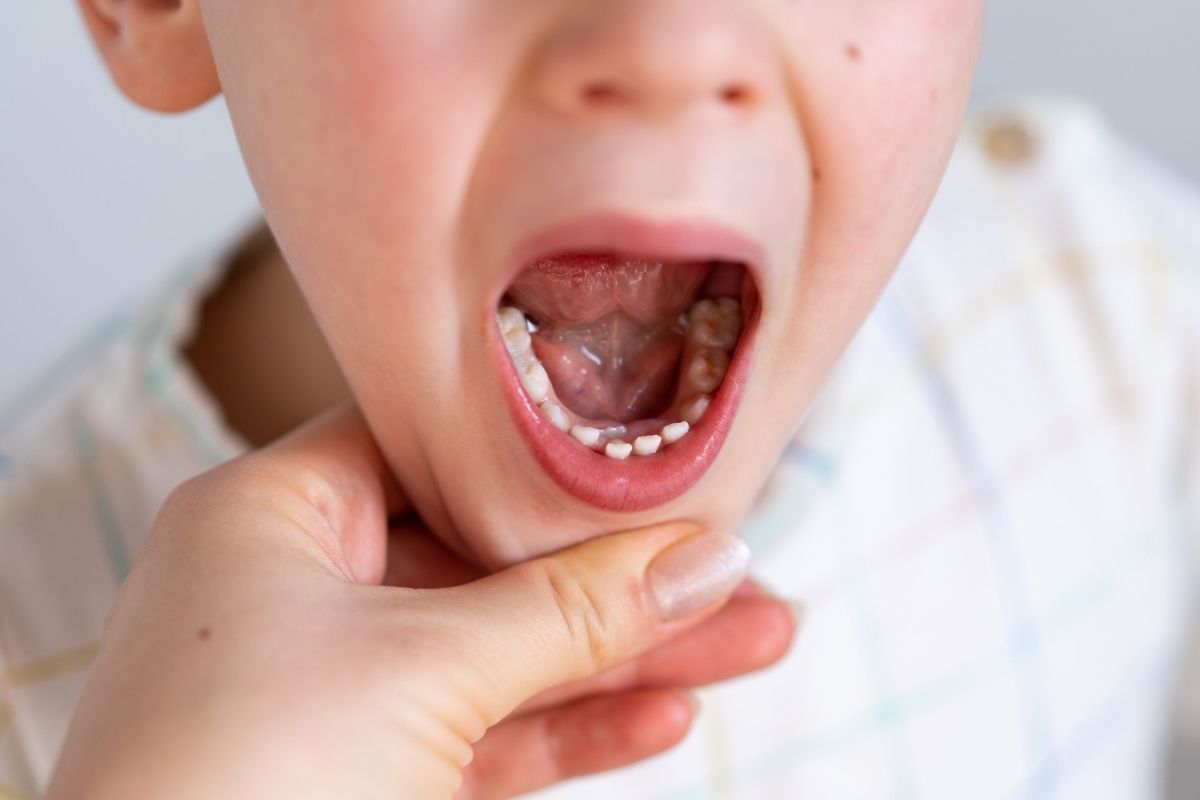
Most parents notice crooked teeth when their child smiles for a photo or complains about food getting stuck. It can seem like a cosmetic issue that can wait. After all, they are still growing, right?
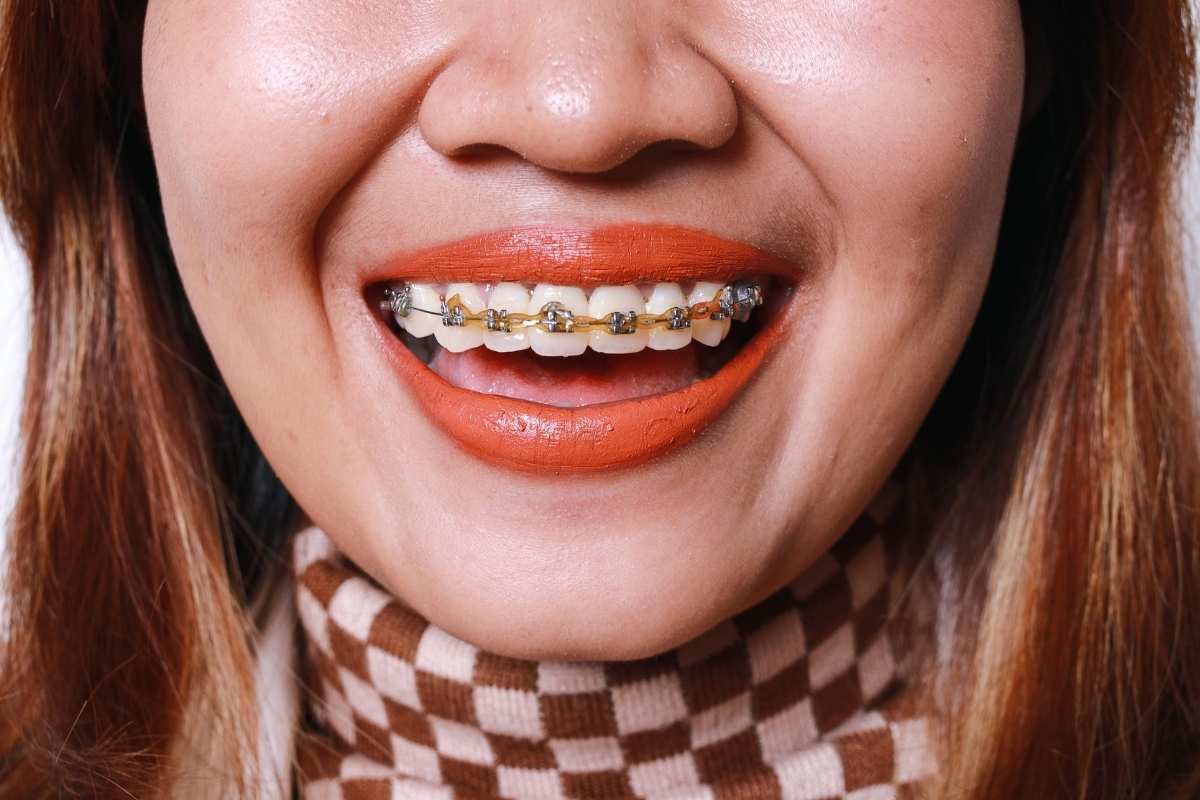
The truth is, crooked teeth in kids can affect much more than appearance. When alignment problems go untreated, they can influence how a child eats, speaks, cleans their teeth, and even how they feel about themselves.
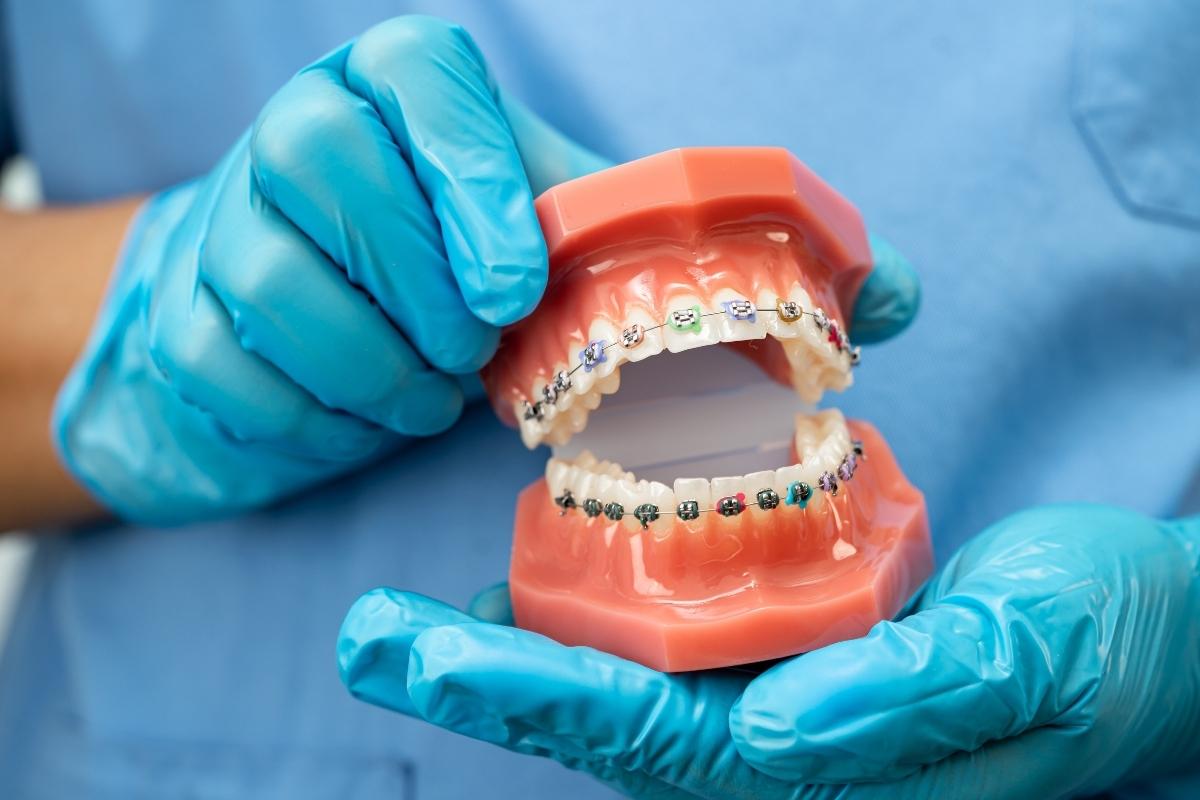
Early orthodontic treatment can guide jaw growth and tooth positioning while a child is still developing, often making future care simpler and more predictable. When parents delay care for too long, small concerns can turn into more complicated problems.
Let’s break down what can actually happen if crooked teeth are not addressed in childhood.
Harder to Keep Teeth Clean
When teeth overlap or twist, they create tight spaces that toothbrush bristles and floss struggle to reach. Even kids who brush regularly can miss plaque in these crowded areas.
Over time, this can lead to:
• Higher risk of cavities
• Inflamed or bleeding gums
• Persistent bad breath
• Early signs of gum disease
Kids rarely connect crooked teeth with oral hygiene challenges. Parents often assume brushing habits are the issue when alignment may be part of the problem.
Bite Problems That Affect Function
Crooked teeth are often linked to bite issues. When the upper and lower teeth do not meet properly, it changes how a child chews and speaks.
Common bite concerns include:
• Difficulty chewing certain foods
• Jaw strain or fatigue
• Uneven wear on enamel
• Clicking or popping sounds in the jaw
When a bite remains off for years, the jaw can adapt in unhealthy ways. That stress may not show up immediately, but it can cause discomfort as your child grows.
Speech Development Challenges
Teeth help guide airflow and tongue placement during speech. When teeth are severely misaligned, children may struggle with certain sounds, especially S, SH, TH, and F sounds.
Some kids compensate naturally. Others develop speech patterns that require therapy later. While not every crooked smile leads to speech issues, alignment can play a role in how clearly a child speaks.
Increased Risk of Dental Injuries
Teeth that stick out are more vulnerable to injury during sports, playground time, or accidental falls. Protruding front teeth are especially at risk.
When alignment leaves teeth exposed, even a minor bump can result in:
• Chipped enamel
• Cracked teeth
• Damage to the inner pulp
Correcting positioning early can help reduce this risk.
Jaw Growth and Facial Development
Childhood is a critical time for jaw development. When teeth are severely crowded or misaligned, they can influence how the upper and lower jaws grow in relation to each other.
In some cases, untreated issues may lead to:
• Narrow dental arches
• Imbalanced facial proportions
• Limited space for permanent teeth
Guiding growth while the jaw is still developing allows for more natural correction and can prevent the need for more complex procedures later.
Emotional and Social Impact
Kids can be surprisingly aware of their smiles. Crooked teeth may not bother every child, but for some, it affects confidence.
You might notice:
• Reluctance to smile in photos
• Covering their mouth when laughing
• Avoiding speaking in class
• Sensitivity to teasing
Confidence matters, especially during school years. When children feel good about their smile, it often reflects in how they interact with others.
Do All Crooked Teeth Need to Be Fixed?
Not always. Mild alignment issues may not cause significant health or functional problems. The key is evaluation at the right time.
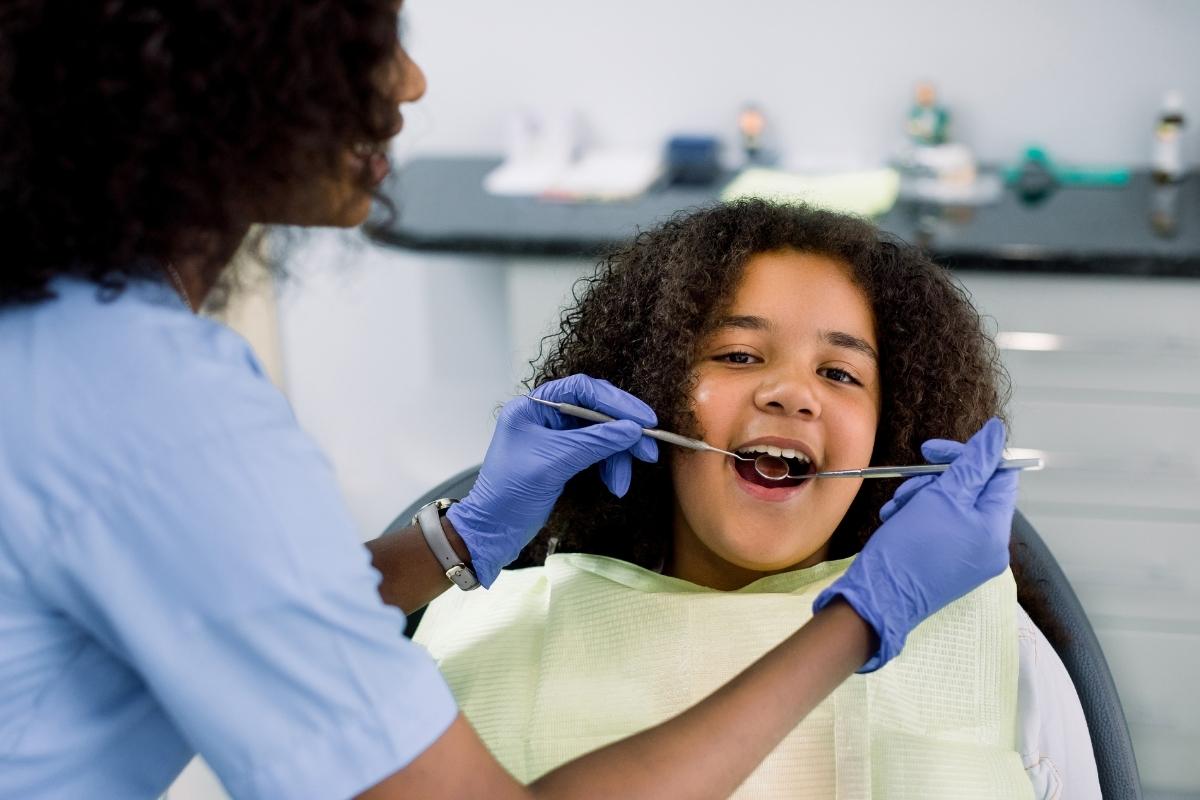
The American Association of Orthodontists recommends an evaluation by age seven. That does not mean every child needs immediate treatment. It simply allows a specialist to monitor development and intervene if necessary.
Early evaluation helps parents make informed decisions rather than waiting until issues become more obvious and harder to manage.
Signs Parents Should Not Ignore
Consider scheduling an evaluation if you notice:
• Early or late loss of baby teeth
• Difficulty biting or chewing
• Mouth breathing
• Thumb sucking beyond age five
• Teeth that appear crowded or severely spaced
Catching problems early often leads to simpler solutions.
Give Your Child a Confident, Healthy Smile with Pittsford Orthodontics & Pediatric Dentistry
Your child’s smile deserves thoughtful care at the right time. At Pittsford Orthodontics & Pediatric Dentistry, we focus on prevention, early guidance, and personalized care that fits your child’s needs.
If you are wondering whether your child’s crooked teeth require attention, we are here to help you understand your options. Visit our dental clinic in Pittsford, NY, and schedule a consultation to give your child the confidence and comfort they deserve.