How Screen Time Habits Can Impact Children’s Oral Health

Screens are part of everyday childhood now. From school assignments to entertainment, kids are often looking at tablets, phones, or TVs for hours. The issue is not just screen time itself, but the habits that tend to form around it. These habits can quietly influence oral health in ways that often go unnoticed until problems show up.
The Hidden Link Between Screens and Teeth
When children are engaged with screens, they are less aware of their physical activity. That shift in attention can affect basic things like drinking water, snacking, and even breathing patterns.
Over time, these small changes can create conditions that make teeth more vulnerable to decay and irritation.
How Screen Time Affects Oral Health
1. More Frequent Snacking Without Awareness
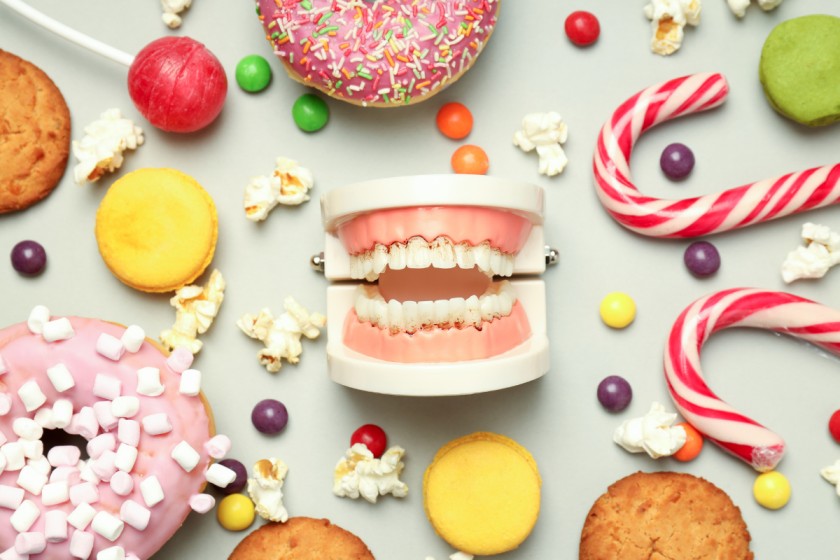
Kids often snack while watching videos or gaming. Instead of finishing a meal and brushing later, they may eat small amounts repeatedly.
This keeps sugar and starch on teeth for longer, increasing the risk of plaque buildup and cavities.
2. Dry Mouth From Reduced Saliva Flow
When children are focused on screens, they may forget to drink water. Some also breathe through their mouths without realizing it.
A dry mouth means less saliva, and saliva is the mouth’s natural defense system. Without enough of it, bacteria can grow more easily.
3. Sugary Drinks Become “Screen Companions.”
Juice boxes, soda, or flavored drinks often become part of screen time routines. Sipping slowly over long periods exposes teeth to constant acid attacks.
Even small amounts, when consumed frequently, can affect enamel over time.
4. Poor Posture and Jaw Habits
Leaning forward or resting the face on a hand while using devices may seem harmless. But long-term habits like these can influence jaw comfort and alignment patterns as children grow.
5. Interrupted Sleep and Missed Night Brushing
Too much screen exposure before bed can delay sleep. When kids are tired, brushing routines become rushed or skipped.
Nighttime is especially important because saliva production drops while sleeping, making teeth more vulnerable.
What Parents Can Do Without Stress
Small changes go a long way. You do not need strict rules to see improvement.
Try these simple shifts:
- Set screen-free meal times
- Keep water nearby during screen use
- Encourage short breaks every 30 to 45 minutes
- Make brushing part of the bedtime wind-down routine
- Offer structured snack times instead of grazing
Consistency matters more than perfection.
A Growing Concern in Daily Life
In many homes across Pittsford, screen time has quietly become part of every routine, from homework to downtime. With that shift, oral health habits often need a little extra attention and guidance.
If you have started noticing changes in your child’s eating patterns, hydration, or brushing consistency, it may be time to take a closer look at how daily habits are shaping their smile.
And if you are looking for support that truly understands growing dental needs and want personalized child dental care for growing smiles, the right guidance can make all the difference.
When to Pay Closer Attention
Some signs that screen habits may be affecting oral health include:
- Frequent dry mouth
- Bad breath that returns quickly after brushing
- Increased snacking throughout the day
- Sensitivity to sweets or cold foods
These are often early signals, not serious problems yet, but they should not be ignored.
Smarter Habits Start With Small Changes
Healthy smiles are built on everyday routines, not big one-time fixes. Small adjustments in screen habits can protect your child’s teeth more than most parents realize.
To support your child’s oral development with guidance tailored to their needs, schedule an appointment with Pittsford Orthodontics & Pediatric Dentistry in Pittsford today and visit Pittsford Orthodontics & Pediatric Dentistry to take the next step toward healthier, more confident smiles.
FAQ :
Does screen time directly damage teeth?
Not directly. It is the habits around screen time, like snacking and dry mouth, that increase risk.
Why does my child forget to drink water during screen use?
Screens reduce awareness of physical needs, so children often ignore thirst signals.
Can screen time affect brushing habits?
Yes. Late-night screen use often delays bedtime routines, including brushing.
What is the simplest way to reduce screen-related dental risks?
Encourage water, set snack times, and make brushing part of a fixed daily routine.