How to Build Healthy Dental Habits for Kids Without Daily Battles

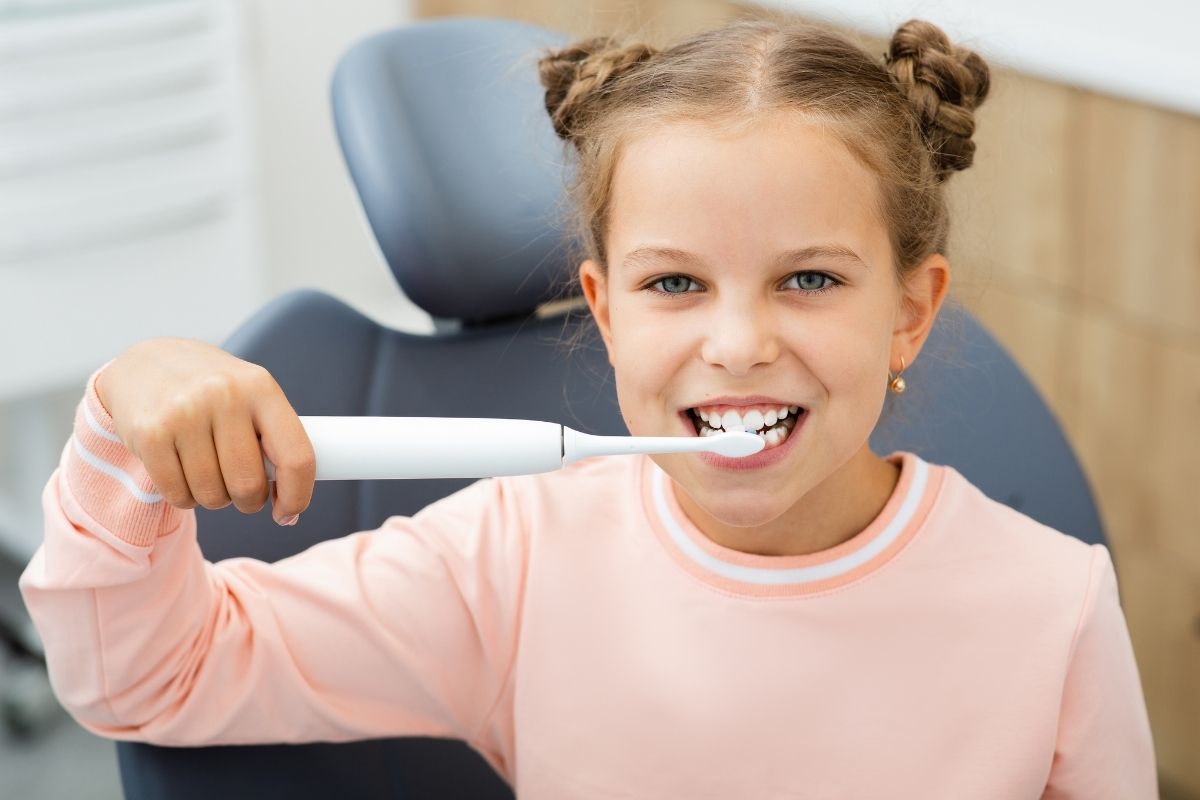
Getting kids excited about brushing and flossing can feel like a daily tug-of-war. As parents, you want to instill lifelong dental habits without turning every morning and bedtime into a power struggle. The good news is that creating a consistent, stress-free routine is entirely possible when you understand how children think, what motivates them, and how to make oral care a positive experience from the start.
Why Early Dental Habits Matter
Healthy dental habits established in childhood set the foundation for a lifetime of strong teeth and gums. Children who learn proper brushing and flossing techniques early are less likely to develop cavities, gum disease, or misaligned teeth. Beyond physical health, establishing a routine helps kids gain independence and confidence in their self-care. A pediatric dental practitioner can provide guidance tailored to your child’s age and developmental stage, ensuring that your little one’s smile stays healthy and bright without constant reminders.
Make Oral Care Fun and Engaging
Turn Brushing Into a Game
Kids respond well to play, so turning brushing into a fun activity can reduce resistance. Try letting them pick a colorful toothbrush or a flavored toothpaste that excites them. You can also use a timer or a smartphone app that turns brushing into a short, interactive challenge.
Create Visual Rewards
Visual cues like sticker charts can motivate children. Each time they brush and floss properly, they earn a sticker or a small token. This tangible feedback reinforces positive behavior and encourages consistency.
Lead by Example
Children mimic adults. Make brushing a family activity where everyone participates together. When your child sees you taking care of your teeth, they’re more likely to view oral care as a normal and enjoyable part of daily life.
Practical Tips to Reduce Daily Battles
Here are actionable strategies parents can implement immediately:
- Set a Routine: Brush and floss at the same time every day to create predictability.
- Offer Choices: Let your child choose their toothbrush, toothpaste, or even which song to play during brushing. This gives them a sense of control.
- Use Positive Language: Focus on encouragement rather than criticism. Praise efforts, even if the technique isn’t perfect.
- Short, Clear Instructions: Give one step at a time to avoid overwhelming your child.
- Model Patience: Calmly guide and correct rather than taking over entirely.
Understanding Common Challenges
Even with the best strategies, some children resist brushing or flossing. Understanding why can help you address the root cause. Some kids dislike the taste of toothpaste, feel rushed, or find flossing uncomfortable. In these cases, experimenting with toothpaste flavors, using soft bristles, or introducing flossers designed for small hands can make a significant difference.
Building Habits That Stick
Consistency is key. Encourage brushing for two minutes twice a day and flossing once daily. Celebrate progress, and don’t panic over occasional lapses. Over time, these routines will become second nature. Remember, patience and positive reinforcement often work better than force.
Bright Smiles Start with Guidance
Every child’s needs are unique, and guidance from a professional can make a big difference. By nurturing a positive dental routine, you’re not just preventing cavities—you’re helping your child build confidence, responsibility, and a lifelong habit of healthy smiles.
Take the Next Step Toward Stress-Free Dental Care
Ready to make dental routines simple and enjoyable for your child? Schedule your consultation with Pittsford Orthodontics & Pediatric Dentistry in Pittsford today. Our team will provide personalized strategies to build healthy habits, answer your questions, and make every visit a positive experience. Start your child’s journey to a brighter smile now.
FAQs:
Q: At what age should my child start brushing independently?
A: Most children can begin brushing on their own around age 6–7, but supervision and guidance are essential until they develop proper technique.
Q: How often should my child visit a pediatric dental practitioner?
A: Regular check-ups every six months help monitor growth, detect early issues, and reinforce healthy routines.
Q: My child hates flossing. Any tips?
A: Try floss picks or fun, kid-friendly flossers. Let them practice on a stuffed animal first to make it less intimidating.
Q: Can rewards really help with brushing habits?
A: Yes! Sticker charts, small prizes, or even verbal praise reinforce positive behavior and make brushing more enjoyable.