What Happens If Baby Teeth Get Cavities?

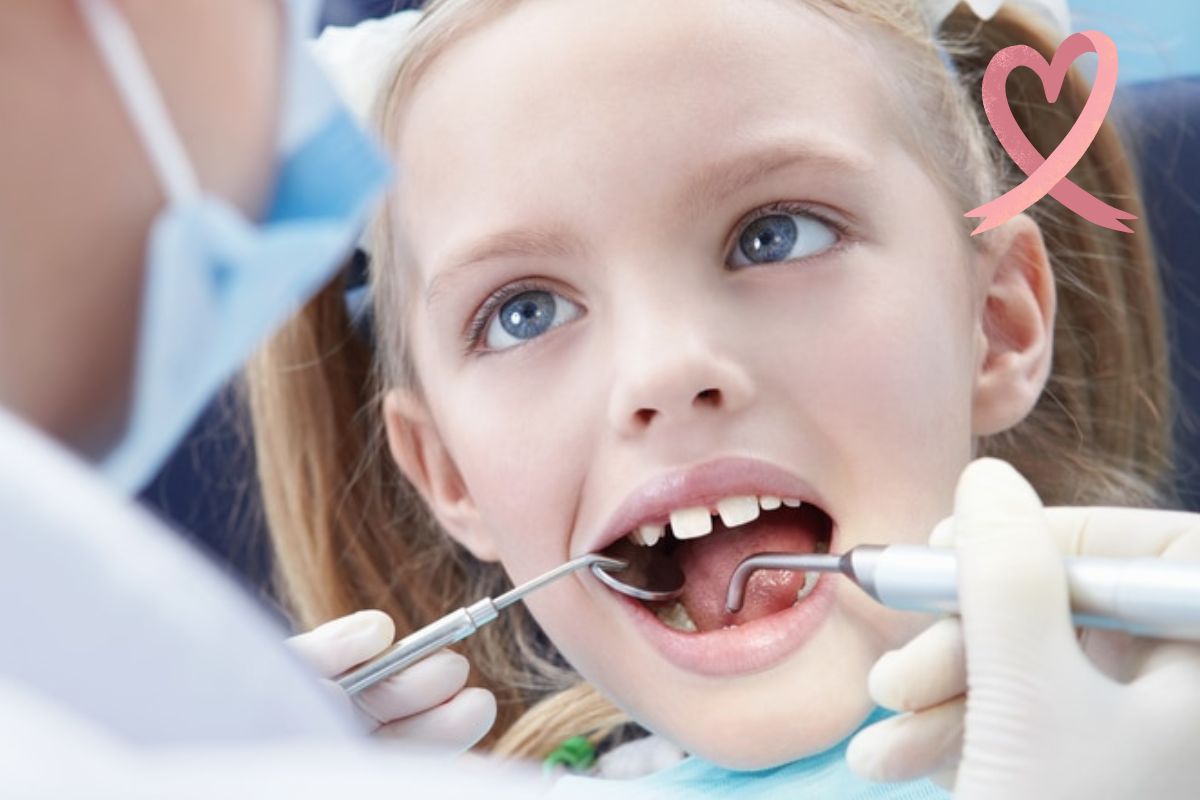
Baby teeth may be temporary, but the problems caused by cavities are not. Many parents assume that decay in baby teeth does not matter because those teeth will fall out anyway. In reality, cavities in baby teeth can affect your child’s comfort, confidence, and long-term oral health. Understanding what happens when decay shows up early can help you act before small issues turn into bigger ones.
Why Cavities in Baby Teeth Are a Big Deal
Baby teeth do more than help kids smile. They guide jaw growth, support speech development, and hold space for adult teeth. When cavities form, they weaken these teeth and disrupt all those important jobs.
By the third paragraph, it is worth noting that a Pediatric dental physician focuses on spotting these problems early, when treatment is simpler, and children feel more at ease. Early attention often means less discomfort and fewer complications down the road.
How Cavities Start in Baby Teeth
Sugars, Snacks, and Bacteria
Cavities begin when bacteria in the mouth feed on sugars from foods and drinks. This process creates acids that wear away tooth enamel. Baby teeth have thinner enamel than adult teeth, so decay can spread faster.
Missed Oral Care Habits
Inconsistent brushing, skipping flossing, or falling asleep with a bottle can increase the risk. Even healthy snacks can cause trouble if teeth are not cleaned regularly.
What Happens If Cavities Are Left Untreated
Pain and Sensitivity
As decay progresses, children may complain of tooth pain or avoid hot, cold, or chewy foods. This discomfort can affect eating and sleep.
Infection and Swelling
Untreated cavities can reach the inner part of the tooth, leading to infection. This may cause swelling in the gums or face and sometimes fever.
Early Tooth Loss
When damage becomes severe, baby teeth may need to be removed earlier than expected. This can create spacing issues that affect the alignment of adult teeth.
Speech and Learning Challenges
Missing or painful teeth can interfere with pronunciation. Discomfort may also make it harder for kids to focus in school.
Signs Your Child May Have a Cavity
Look out for these common clues:
• White, brown, or dark spots on teeth
• Complaints of tooth pain or sensitivity
• Swollen or red gums
• Avoiding certain foods
• Bad breath that does not go away
How Cavities in Baby Teeth Are Treated
Treatment depends on the extent of the cavity.
Early Stage Care
Small areas of decay may be managed with fluoride treatments and improved home care.
Restorative Options
Larger cavities often need fillings or protective crowns to restore strength and function.
Preventive Guidance
Parents receive advice on brushing routines, diet choices, and habits that protect teeth moving forward.
Keeping Baby Teeth Cavity Free
A few consistent habits make a big difference:
• Brush twice daily with fluoride toothpaste
• Floss once a day when teeth touch
• Limit sugary snacks and drinks
• Schedule regular dental checkups
• Encourage water between meals
Caring for Little Smiles in pittsford ny Starts Here
Cavities in baby teeth deserve attention, not delay. Early care helps protect your child’s comfort today and their smile tomorrow. At Pittsford Orthodontics & Pediatric Dentistry, our team focuses on gentle, thoughtful care designed just for kids.
Visit our dental office in Pittsford, NY, to give your child the support they need for healthy, happy smiles. A simple visit today can prevent bigger problems later.
FAQs
Do cavities in baby teeth spread to adult teeth?
The cavity itself does not spread, but infection and early tooth loss can affect how adult teeth develop and align.
Can baby teeth with cavities be saved?
In many cases, yes. Early treatment can restore the tooth and keep it functional until it naturally falls out.
Are cavities in baby teeth painful for kids?
They can be. Some children are sensitive to pain early, while others may not show pain until the cavity becomes serious.
How early should children see a dentist?
Most children should have their first visit by their first birthday or when the first tooth appears.