Dentist-Approved Tips to Prevent Root Canals in Children


Dental care must be a priority for your child’s health. No parent likes to see their child hurting from a toothache—or, even worse, needing a root canal. Though root canals are safe and prosperous, avoidance is always the best option. At Pittsford Orthodontics & Pediatric Dentistry, we witness it daily: with proper habits, root canals are completely unnecessary, providing reassurance about the safety and success of root canals.
Why Root Canal Awareness Week Matters for Children Too?
Tooth decay in children tends to begin with small beginnings but can take off rapidly. Those early cavities don’t sound like such a huge issue, but if they go untreated, they can be a gateway to tooth pulp infection—and root canals are involved at this point. Fortunately, your child needn’t go through it. With proper advice from your local pediatric dentist in Pittsford, NY, you can guide your child away from severe dental problems, empowering you as a parent to take control of your child’s dental health.
Establish Morning and Nighttime Habits That Save Their Teeth
Start with the essentials. Children love routine, and brushing their teeth with fluoride toothpaste twice daily should be at the top of the list. Flossing once a day is also a must, particularly as more teeth erupt and the teeth start crowding. Establishing a daily home routine builds the foundation for healthy enamel and clean gums and lowers the threat of decay.
You can make brushing more enjoyable using apps, music, or a sticker chart. Have them brush for two minutes and do it alone with them—children love to imitate their parents. And don’t forget: always brush with a soft-bristled toothbrush suitable for their age.
How old should children begin to floss?
Kids need to start flossing as early as two teeth touch. This is typically at age 2 to 3. Parents must help until the kid can floss independently—usually by the age of 8 to 10.
Root Canal Awareness Week: A Great Time to Act
Did you know that Root Canal Awareness Week and Root Canal Day are celebrated during the second week of May? It’s the ideal reminder for parents to have their child’s dental checkup and learn more about preventing invasive treatments such as root canals. At our Pittsford office, we take this opportunity to raise awareness and inform families about the true causes of tooth decay in children—and how to stop it.
It’s not fear— prevention, confidence, and building a future full of healthy smiles.
Prioritize a Tooth-Friendly Diet
Sugar is among the largest perpetrators of tooth decay in children. Sticky sweets, fruit snacks, and juices stick to teeth and fuel harmful bacteria. Attempt to replace these with better options such as crunchy fruits, cheese, and yogurt. Water, particularly fluoridated tap water, is always a good bet for oral health.
Getting children to drink water after each meal rinses away food particles. Restricting between-meal snacking also provides their teeth with time to heal and remineralise.
Which foods prevent cavities in children?
Cheese, apples, carrots, celery, and plain yogurt are foods promoting dental health. These foods stimulate saliva, clean the teeth, and naturally neutralize acids.
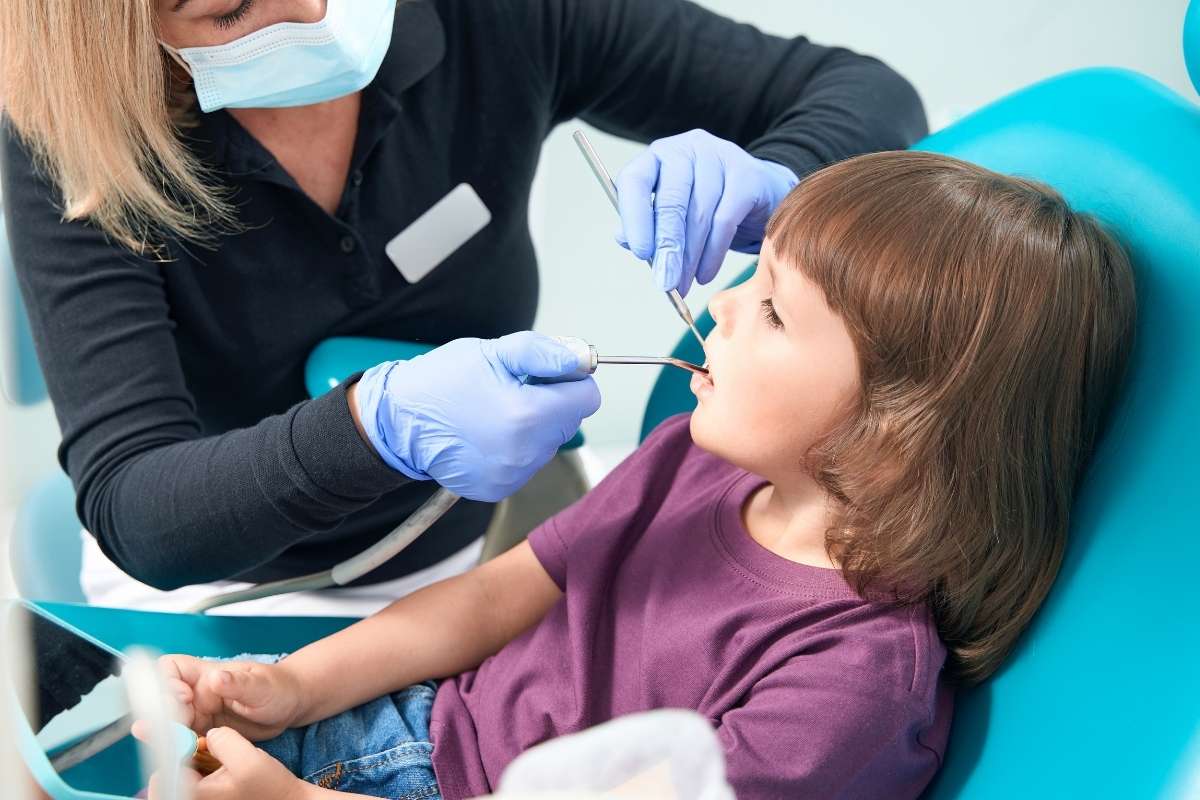
Even if your child brushes and flosses every day, dental visits are a necessity; dentists can detect signs of early decay that you may not see. And the earlier we detect it, the simpler it is to fix. Our staff suggests visits every six months for cleanings and checkups.
These appointments also enable us to monitor your child’s dental growth. At times, early indicators of orthodontic complications are associated with a greater risk of cavities. Treating them early avoids future complications.
Fluoride Is Your Friend
Fluoride plays a crucial role in preventing tooth decay by making enamel stronger and more resistant to acid attacks from bacteria. Most children get fluoride from toothpaste and drinking water, but some may need additional assistance. Professional fluoride treatments during a dentist visit provide that extra advantage, enhancing the protective barrier against decay.
These treatments are fast, harmless, and have long-lasting effects. Consult your pediatric dentist about fluoride varnishes, particularly if your child is cavity-prone or wearing braces.
Seal Out Decay With Dental Sealants
Dental sealants are one of the most well-kept secrets in preventing cavities. Sealants are thin, protective layers of plastic that are placed over the chewing surfaces of molars—where cavities tend to begin. After they are applied, sealants keep food, plaque, and bacteria out.
They’re particularly beneficial for children who are still learning to brush effectively. The treatment is quick, harmless, and highly effective in reducing the risk of decay.
Are dental sealants safe for kids?
Dental sealants are perfectly safe for children. The American Dental Association endorses them for use with children and has shown that they can prevent cavities by as much as 80% on molars. Parents can rest assured that this preventive measure is effective and safe for their child’s dental health.
Watch for Tooth Sensitivity or Pain
Kids may not always complain when something is wrong, so listen for symptoms such as sensitivity to heat or cold, chewing on one side, or refusing a favorite food. These may be signs of an early cavity or infection.
The earlier your child gets to the dentist, the better. Finding an issue early can mean the difference between getting a small filling and a root canal.
What are the signs a child may need a root canal early on?
Some early signs that a child may need a root canal include persistent toothache, pain at night, swelling around the gums, discoloration of the tooth, and sensitivity to temperature or sweets. If your child exhibits any of these symptoms, seeing a dentist immediately is essential to prevent the need for a root canal.
Set a Good Example
Children are taught best by example. If you are serious about your dental health, they will be too. Mention your dental examinations in a positive light. Demonstrate to them that teeth care is a lifelong concern, not an age-specific one.
With these easy but practical tips, you can keep your child’s smile shining bright and root canal-free. We’re dental experts and your allies when it comes to forming healthy habits for a lifetime. If you need Pittsford dentists who get children and how to make them smile, we are here to serve you every step of the way.